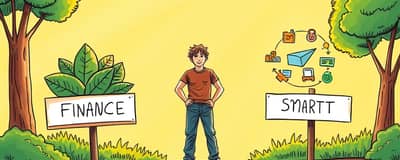
Every individual holds the power to transform routine money management into a dynamic ecosystem influenced by external factors. Rather than viewing budgets and bank accounts in isolation, we can embrace a holistic approach that weaves together income, spending, savings, investing, and protection into a cohesive whole.
By treating your finances as an interconnected personal financial ecosystem, you learn to capture and allocate value from resources like money, time, energy, attention, and social connections. This framework drives financial stability, growth, and well-being over the short and long term.
Understanding Your Financial Ecosystem
A personal economy is more than a ledger of transactions: it is a living, breathing system shaped by your choices and surroundings. Each decision—from selecting a side hustle to setting aside emergency cash—ripples through this network of interdependent elements.
At its core lie five universal pillars. Mastering these components allows you to harness the full potential of your ecosystem and adapt when external pressures arise.
- Income: All cash inflows, including salaries, dividends, side gigs, and business profits.
- Spending: Managing outflows by budgeting to reveal habits and ensure value for money.
- Savings: Building reserves for emergencies, education, and retirement goals.
- Investing: Allocating capital to grow wealth according to your risk tolerance.
- Protection: Safeguarding assets through insurance, debt management, and estate planning.
Building a Balanced Budget for Growth
One of the simplest yet most powerful strategies is the 50/30/20 rule. This model divides your net income into three clear buckets to guide everyday decisions and long-term planning.
This structure instills discipline without sacrificing joy. When unexpected costs arise—car repairs, medical bills—you can reallocate from your 30% discretionary bucket while protecting your core reserves.
Ecosystem Management: A Strategic Approach
Borrowing from business frameworks, you can steer your personal economy with a clear process. Begin by defining a strategic direction and long-term vision, such as achieving homeownership in five years or funding a child’s education.
Next, assess your resources and capabilities—skills, networks, and tools. Use apps that time, energy, and attention to automate tracking and save hours each week. Then, examine past decisions: which investments paid off, which spending habits need adjustment?
- Set clear goals and metrics for income, savings, and net worth.
- Deploy budgeting and investment tools for daily execution.
- Monitor performance regularly and adjust allocations as needed.
- Review strategies quarterly to remain aligned with evolving priorities.
- Trust process with adaptive reviews to navigate life’s twists.
Harnessing Technology and Partnerships
Modern personal economies thrive on collaboration. From fintech apps to financial advisors, each partner brings unique capabilities. Define roles and expectations as you would in a team project: set response time metrics, share dashboards, and agree on communication channels.
Innovations like real-time analytics and open finance APIs enable seamless money movements. For example, integrating your bank account with investment platforms can route surplus funds automatically into diversified portfolios. These integrations foster efficiency gains of up to 70% in routine tasks.
Stress-Testing and Building Resilience
Resilience emerges when you anticipate shocks and embed buffers. Adopt a multi-layered stress-testing framework to safeguard against sudden downturns, market volatility, or personal emergencies.
- Information: Maintain up-to-date records of assets, liabilities, and cash flows.
- Infrastructure: Ensure redundant access to accounts and backup data securely.
- Innovation: Explore alternative income streams like gig work or online businesses.
- Integration: Link budgeting, savings, and investment platforms for real-time insights.
- Governance: Establish clear rules for debt limits, emergency withdrawals, and insurance coverage.
By simulating best- and worst-case scenarios, you can identify vulnerabilities and convert them into opportunities for social connections aligned with values—for instance by pooling resources with family in times of need.
Expanding Beyond Money: A Holistic Perspective
Your personal economy extends beyond dollars and cents. Consider including intangible assets—time, health, relationships—as integral resources. Allocate time blocks for self-care, invest in skill development, and nurture professional networks. These actions compound over years, fueling both personal and financial growth.
Intentional living means aligning every resource with your core values. When you view every hour and every connection as an investment, you unlock new dimensions of well-being and legacy building.
Ultimately, taking control of your financial ecosystem is an act of empowerment. By weaving together strategies for budgeting, ecosystem management, partnerships, and resilience, you design a life that balances security with opportunity.
Begin today by mapping your own ecosystem: list all income streams, track spending, set bold goals, and choose one technology or partnership to streamline your journey. Small steps accumulate into transformative change.