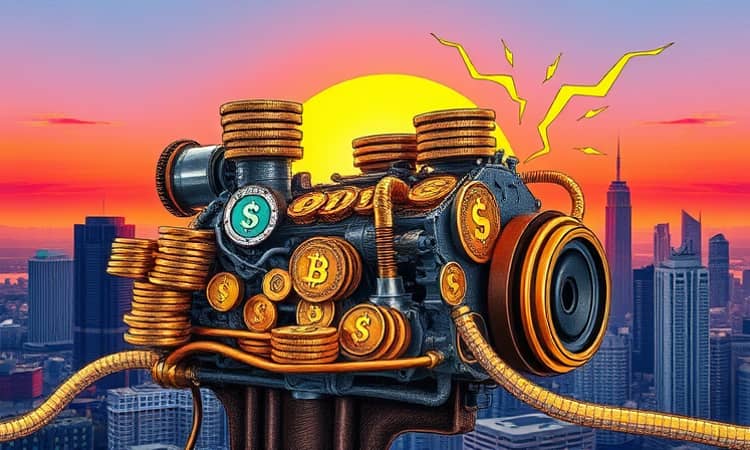
Your financial journey can be envisioned as a high-performance engine that requires meticulous tuning, quality fuel, and periodic upgrades to run smoothly. By framing personal finance in mechanical terms, you cultivate the discipline to maintain every component and unlock sustained momentum.
As we enter 2026, the U.S. economy is poised for steady expansion despite pockets of volatility. By viewing personal finance through this mechanical lens, you can apply proven methods to maintain momentum, deepen reserves, and accelerate toward long-term objectives.
Tuning the Engine: Establishing Your Financial Foundation
Before accelerating toward ambitious goals, conduct a diagnostic check of your finances. This involves gathering bank statements, credit reports, and investment summaries to understand both strengths and vulnerabilities.
Focus on creating a living budget that evolves with your spending patterns. Distinguish between fixed commitments—rent, utilities, loan payments—and discretionary outlays such as dining or entertainment. A transparent view of cash flow helps identify areas for improvement and ensures every dollar serves a purpose.
- Analyze statements, spending, assets, and liabilities
- Separate fixed and discretionary expenses
- Set priority goals for emergencies, debt, and retirement
- Automate savings and debt payments
- Reduce high-interest liabilities methodically
- Invest in diversified, tax-efficient portfolios
- Review and adjust every quarter
The Fuel System: Building Savings and Cash Flow
An efficient fuel system is built on robust savings and consistent cash flow. Strive to accumulate an emergency cushion of three to six months of living expenses, parked in high-yield savings and money markets that keep pace with inflation.
Implementing automated transfers builds reliable momentum. Schedule recurring deposits to savings or debt reduction accounts the moment income arrives. This approach reduces temptation to overspend and ensures every cycle of your engine receives a full load of fuel.
2026 Economic Outlook: A Macro Backdrop for Growth
Forecasts from leading institutions project moderate real GDP gains in the U.S., underpinned by technology, infrastructure investment, and resilient consumer activity. At the same time, markets may face intermittent volatility from geopolitical tensions, policy shifts, or supply chain disruptions.
These projections suggest a landscape ripe for strategic deployment of capital. By aligning personal goals with a favorable growth environment, you can tap into emerging sectors while guarding against potential headwinds.
Power Boosters: Goals and Investments
Once the foundation is solid and your fuel lines deliver reliably, engage the turbochargers of deliberate goal-setting and disciplined investing. Formulate specific and measurable financial goals—for example, allocating $4,000 to an emergency reserve within six months, or contributing $500 monthly toward retirement accounts.
Examine a broad range of investment vehicles—from equity index funds to individual sectors poised to benefit from artificial intelligence breakthroughs. Maintain strategic asset allocation across multiple sectors and adapt weightings as opportunities emerge. Remember, the growth of your engine relies on consistent input and occasional boost injections.
Performance Optimization and Long-Term Resilience
Routine maintenance yields longevity. Schedule quarterly check-ins to rebalance your investment mix, reassess tax strategies, and update insurance coverages. These reviews help you capture gains, mitigate drag from underperforming segments, and stay aligned with evolving objectives.
Embrace a diversified approach to diversification to handle market volatility. Spread assets across domestic and international equities, fixed income, and alternative holdings. Such a portfolio can absorb shocks and smooth the ride, especially when conditions shift unexpectedly.
Additionally, cultivate habits that reinforce stability: mindful spending practices, periodic subscriptions audits, and contingency planning for sudden expenses. Over time, these small adjustments result in exponential improvements in efficiency and output.
To illustrate, imagine your financial engine operating with clean filters (debt under control), top-tier fuel (robust savings), and calibrated injectors (strategic investments). The result is a powerful, responsive system ready to accelerate whenever opportunity knocks.
Ultimately, your personal economic engine thrives on a cycle of assessment, fueling, acceleration, and optimization. By applying these principles, you set yourself on a path to sustained growth, financial security, and the freedom to pursue the endeavors you value most.