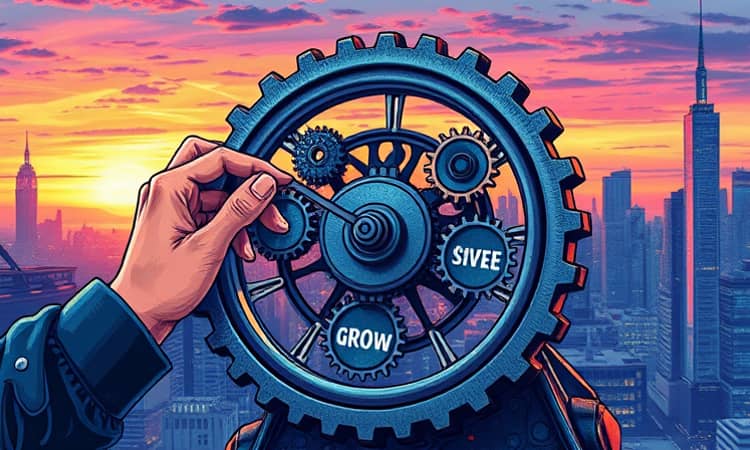
Imagine a future where your finances are not just stable, but thriving with precision and purpose.
As 2026 approaches, economic shifts and technological advancements are reshaping how we manage money, making financial optimization more critical than ever.
This journey is about maximizing returns, minimizing risks, and aligning every resource with your deepest aspirations for growth and resilience.
It transforms complexity into clarity, turning uncertainty into opportunity through deliberate, informed actions.
Understanding Financial Optimization
Financial optimization is the art and science of fine-tuning your economic engine to run at peak efficiency.
It involves a holistic approach that balances income, expenses, investments, and savings.
Think of it as a continuous process of adjustment, much like tuning a high-performance vehicle for optimal speed and safety.
In 2026, this means adapting to new tax laws, leveraging cutting-edge tools, and building a diversified portfolio that withstands market volatility.
By embracing this mindset, you can unlock potential you never knew existed.
Wealth Building Strategies for 2026
Building wealth in the coming year requires a blend of traditional wisdom and innovative tactics.
Start by exploring multiple income streams to cushion against economic downturns and boost your financial firepower.
- Real estate investment remains a powerful hedge against inflation, with unique tax opportunities emerging in 2026.
- Engage actively in the stock market by mixing large-cap and small-cap stocks for balanced growth.
- Incorporate cryptocurrency and alternative assets to add high-potential elements to your portfolio.
- Develop side businesses that align with your passions, ensuring resilience through varied revenue sources.
- Commit to financial education through courses and networking to enhance your decision-making skills.
Integrate these strategies with a lifestyle of mindful spending and delayed gratification.
This approach frees up capital for investments that compound over time, creating a robust foundation for long-term prosperity.
Budgeting and Cost Reduction Techniques
Budgeting serves as your financial roadmap, guiding every dollar toward meaningful goals.
Begin by assessing all income sources and categorizing expenses into needs, wants, and savings priorities.
- Set clear spending limits and savings targets, reviewing them monthly to stay on track.
- Scrutinize operational costs in business or personal life, such as renegotiating supplier contracts or cutting waste in energy and transport.
- Adopt a frugal mindset, aiming for a measurable goal like a 10% operational cost reduction to boost savings.
- For businesses, implement just-in-time inventory and focus on high-margin products to enhance profitability.
These techniques ensure that every expense is intentional, paving the way for increased investment capacity.
Tax-Efficient Strategies for Maximum Returns
Proactive tax planning can significantly amplify your financial outcomes, especially with 2026-specific changes on the horizon.
Make it a year-round habit rather than a last-minute scramble during tax season.
- Utilize tax-deferred accounts like IRAs to grow investments without immediate tax burdens.
- Practice tax-loss harvesting strategically throughout the year, not just in December, to offset gains.
- Consider Roth conversions in low-income years for future tax-free withdrawals.
- Explore charitable bunching and qualified charitable distributions for those over 70½ to optimize deductions.
- Consult with tax professionals to personalize strategies and capitalize on new incentives aligned for 2026.
These moves transform tax obligations from a burden into a tool for wealth accumulation.
Diversification and Risk Management
Diversification is your shield against the unpredictable waves of the market and inflation.
By spreading investments across various asset classes, you reduce vulnerability and enhance stability.
Regularly rebalance your portfolio to maintain this balance, assessing risk tolerance based on your goals and timeline.
Use tools like stop-loss orders and insurance to mitigate potential losses, ensuring your financial ship stays afloat in stormy seas.
Technology and Tools for Optimization
In 2026, technology is your ally in streamlining financial management and gaining insights.
Embrace apps and software that automate tedious tasks and provide real-time data for smarter decisions.
- For personal finance, tools like Mint and Personal Capital offer tracking, budgeting, and investment monitoring at your fingertips.
- In business, leverage automation with platforms like QuickBooks to enhance efficiency in accounting and cash flow forecasting.
- AI-driven analytics can predict trends and optimize strategies, with 83% of executives reporting improved accuracy through AP automation.
- Monitor key performance indicators regularly to make proactive adjustments and stay ahead of financial curves.
These innovations transform complex data into actionable intelligence, empowering you to fine-tune with precision.
Cash Flow Management for Improved Liquidity
Healthy cash flow is the lifeblood of any financial plan, ensuring you have the resources to seize opportunities and cover emergencies.
Focus on accelerating receivables by offering early payment incentives to clients and customers.
- Minimize inventory levels to free up capital without sacrificing operational needs.
- Negotiate favorable terms with suppliers to delay outflows and improve payment flexibility.
- Implement real-time visibility tools for dynamic forecasting, keeping your financial data clean and up-to-date.
- Prioritize high-margin activities and tie spending to budget allocations for disciplined control.
This approach enhances predictability, allowing you to navigate uncertainties with confidence and agility.
Monitoring, Review, and Professional Advice
Sustaining optimal financial performance requires ongoing vigilance and adaptation.
Set specific key performance indicators, such as aiming for a cash flow improvement or cost reduction target, and review them quarterly.
- Conduct progress assessments to adjust portfolios and plans based on changing circumstances and goals.
- Seek guidance from certified financial planners for complex scenarios, ensuring personalized strategies that navigate tax laws and investment risks.
- Use structured decision frameworks to evaluate opportunities, aligning every choice with your long-term vision.
This iterative process turns financial management from a chore into a empowering habit of growth.
Real-World Examples and Inspiration
Consider the story of a mid-sized manufacturer that reversed declining profits by implementing rigorous cost controls and tax plans.
By leveraging 2026 tax alignments in real estate, they unlocked new growth avenues and built resilience against market fluctuations.
Similarly, individuals who embrace diversification and technology often see enhanced profitability and peace of mind.
These cases illustrate that with dedication and the right strategies, financial optimization is within reach for everyone.
Let these examples motivate you to start fine-tuning your own financial journey today.
Remember, every small adjustment contributes to a larger picture of wealth and security.
As you move forward, keep learning, adapting, and striving for excellence in your economic life.
The path to financial mastery is paved with intentional steps and a commitment to continuous improvement.