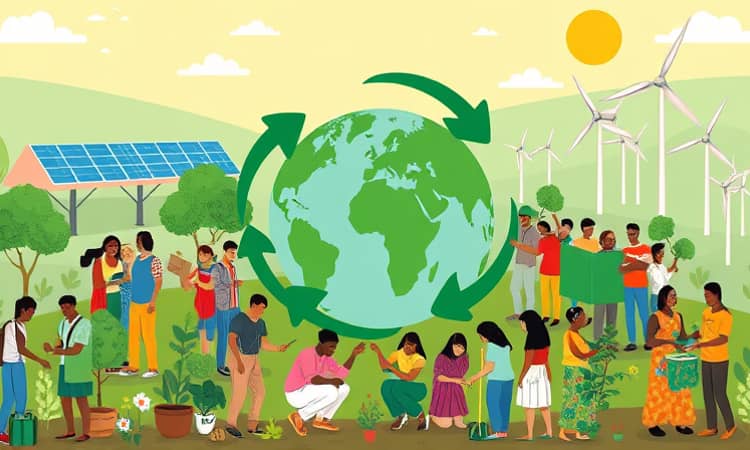
In an era of rapid change and complex challenges, the notion of economic growth alone no longer captures the full picture of human flourishing. Communities around the globe are seeking a model that balances thriving markets with ecological health and social equity. This article explores how we can make the pivot from outdated linear systems to resilient, regenerative economies that uplift people and the planet.
Defining Prosperity Beyond GDP
Traditional measures like gross domestic product focus on output and consumption. Yet true prosperity encompasses much more. It is about sustained well-being for individuals and communities—the security of steady incomes, the freedom to pursue aspirations, and respect for our environmental limits.
At its core, a broader vision of prosperity includes:
- Social capital enables societal function
- Health equity and fair access to care
- Purposeful work beyond mere income
- Ecological integrity sustaining ecosystems
By stepping beyond GDP, we recognize the importance of networks, wellness, and meaningful jobs in securing long-term stability.
The Pivot from Linear to Circular Economies
The conventional economic model operates on a linear “take-make-dispose” trajectory, straining planetary resources and generating mounting waste. In contrast, the circular approach draws on nature’s regenerative cycles to extract maximal value and minimize environmental impact.
By embedding circular economy designs out waste, businesses and communities can dramatically cut costs, reduce environmental harm, and foster innovation.
Pillars of Shared Prosperity
A new economic framework rests on three interlinked pillars that ensure growth uplifts all members of society.
- Dynamic, innovation-led growth—Investing in infrastructure, education, and entrepreneurship to create immediate and long-term opportunities.
- Security—Ensuring workers and families share in productivity gains, and safeguarding public finances and the environment.
- broadly shared prosperity strengthens democracy by empowering communities and sustaining civic trust.
When these pillars align, societies enjoy robust economies, lower inequality, and deeper social cohesion.
Innovations Driving Adaptation
Market-creating innovations have historically unlocked waves of prosperity by delivering solutions where none existed. The Ford Model T didn’t just mass-produce cars—it spurred road construction, service industries, and new supply chains. Similarly, the expansion of electricity under Samuel Insull laid the groundwork for modern urban life.
By focusing on unmet needs—sometimes called “nonconsumption”—innovators can catalyze job creation, infrastructure development, and rising incomes. This approach avoids pouring resources into low-value ventures and instead harnesses entrepreneurial energy to transform economies from the ground up.
Ecological and Equity Imperatives
As we adapt, ecological boundaries and social justice must guide our path. Key regenerative strategies include:
- regenerative agriculture builds soil and biodiversity—Shifting from extractive farming to practices that enhance ecosystem health and carbon sequestration.
- Planetary Boundaries framework—Adhering to safe limits on emissions, biodiversity loss, and other critical thresholds.
- Ecological economics—Valuing natural capital and designing systems that respect thermodynamic constraints.
By internalizing environmental costs and benefits, we move toward internalized environmental benefits for all communities, ensuring that prosperity does not come at the expense of future generations.
Measuring Success and Global Shifts
Recognition of GDP’s limitations has grown as rich economies face slowing growth and rising social challenges. Tools like the Legatum Prosperity Index assess nations across fundamentals, innovation, governance, health, and social capital. They remind us that wealth is multifaceted.
Consider these data points:
- Over 23 million Americans remain unemployed, underemployed, or disengaged from work.
- Seven dimensions of economic resources—money, food, clothing, recreation, rest, time, and energy—impact well-being.
- Nine sub-indices in prosperity assessments capture education, personal freedom, and more.
These measures encourage policies that invest in people, elevate wages, and enhance mobility, rather than defaulting to austerity.
A Roadmap for Lasting Advantage
To secure a prosperous future, leaders and citizens alike can pursue strategies that empower communities and protect the planet. Key actions include:
- Strengthening legal frameworks—protected property rights enable entrepreneurship and attract investment.
- Promoting open markets and responsible fiscal policies to foster growth and inclusion.
- Investing in education, health equity, and infrastructure to create meaningful employment beyond financial compensation.
By focusing on optimal allocation of resources—money, time, and energy—we can build resilient systems. This balanced approach harmonizes innovation with equity, and competitiveness with sustainability.
Ultimately, the prosperity pivot calls on each of us to rethink how we produce, consume, and govern. Embracing circular principles, championing market-creating ventures, and upholding social and ecological rights will unlock a future where economic advantage is shared, durable, and aligned with the Earth’s capacities. Together, we can transition from short-term gains to enduring well-being for all.