Emotions often dictate the trajectory of our investments, leading us down paths of regret or success. primary emotions that drive market behavior—fear and greed—can push even the most disciplined investors into irrational decisions. By recognizing and mastering these forces, you gain control over your financial destiny.
In this article, we explore the psychological underpinnings of fear and greed, analyze their real-world market impacts, and provide practical strategies to build a resilient, long-term investment mindset. Whether you are a novice trader or a seasoned professional, these insights will empower you to navigate volatile markets with confidence.
Understanding Fear and Greed as Market Drivers
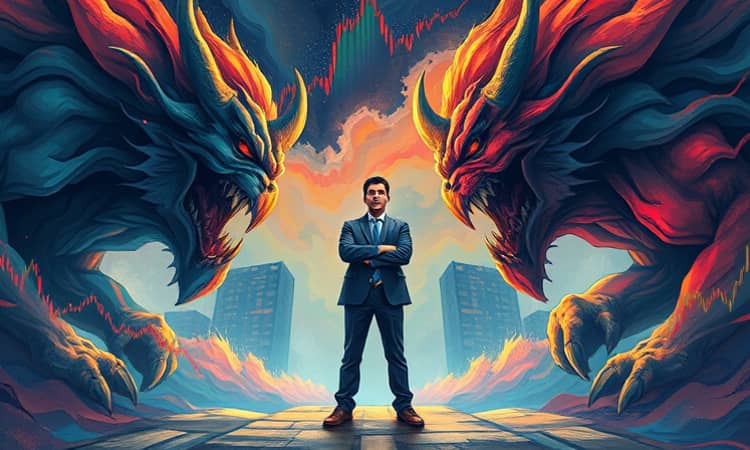
Fear and greed are the twin engines behind market cycles. When greed dominates, investors rush to buy, inflating prices beyond sustainable levels. Conversely, when fear takes hold, they sell en masse, often at a loss. The Fear and Greed Index, developed by CNN Business, quantifies market sentiment using seven factors: stock price momentum, volatility, put/call ratio, junk bond demand, emerging markets performance, credit spreads, and market breadth.
At high readings, the index signals irrational exuberance; at low readings, it warns of widespread panic. Learning to interpret this gauge can highlight panic selling during downturns as opportunities rather than threats. Historical swings, like the dramatic dip in early 2020 or the surge of the dot-com bubble, reveal how collective emotions amplify market movements.
Psychological Biases Fueling Investor Emotions
- Loss aversion intensifies negative reactions: We feel losses more acutely than equivalent gains, causing reluctance to sell losing investments.
- fear of missing out: FOMO drives investors to chase hot trends without proper research, often entering at inflated prices.
- herd mentality compounds irrational behavior: Following the crowd can lead to speculative bubbles or cascading sell-offs.
- overconfidence bias leads to risky decisions: Overestimating one’s predictive ability often results in excessive leverage.
- hindsight bias clouds future judgment: Believing past events were predictable can foster unrealistic confidence in forecasting.
- anchoring skews decision-making: Fixating on a reference price can prevent adapting to new information.
Fear-Driven Market Dynamics
When fear permeates the market, rational analysis takes a backseat. Investors driven by dread often lock in losses, believing the decline will never end. In reality, fear can create rare buying opportunities as strong companies trade at discounts.
By understanding fear’s dual nature—as a warning signal and a catalyst for value purchases—you can avoid self-fulfilling market crash spirals and position yourself for long-term gains. Remember the 2008 financial crisis: those who stayed calm and invested selectively saw significant recoveries in subsequent years.
Greed-Driven Market Dynamics
Greed can be equally destructive. When investors chase outsized returns, they fuel speculative bubbles that inevitably burst. The late 1990s dot-com frenzy exemplifies this pattern: technology stocks soared with little earnings justification, only to collapse in 2000, erasing trillions of dollars.
To guard against excessive optimism, learn to recognize when exuberance overshadows fundamentals. A surging Fear and Greed Index may indicate that valuations have detached from reality.study historical market data to identify repeating cycles and warning signs of peaks. By doing so, you can lock in gains before the tide turns.
Practical Strategies for Emotional Mastery
- set clear investment goals: Define your risk tolerance, time horizon, and target returns to guide decisions.
- systematic risk management frameworks: Use stop-loss orders, position sizing, and portfolio diversification to limit downside.
- Consult the Fear and Greed Index regularly to gauge market sentiment and adjust exposure accordingly.
- Maintain a written investment plan and review it periodically to avoid impulsive actions.
- Embrace dollar-cost averaging to reduce the impact of volatility and remove timing pressures.
- Study the philosophies of enduring investors like Warren Buffett, who advises: “Be fearful when others are greedy, and greedy when others are fearful.”
Building a Resilient Investor's Mindset
Mastering fear and greed is not a one-time achievement but an ongoing journey. Each market cycle offers lessons in patience, discipline, and self-awareness. By integrating these principles into your daily routine, you create a mental framework that withstands volatility and capitalizes on opportunities.
Cultivate habits that foster long-term thinking: journal your trades, celebrate disciplined choices, and learn from mistakes without judgment. Surround yourself with diverse perspectives, yet trust your own research. Over time, this balanced approach transforms emotional turbulence into strategic advantage.
Ultimately, conquering fear and greed unlocks the true potential of investing: steady wealth accumulation and the freedom to pursue your life’s ambitions. Commit to emotional mastery today, and watch your financial future prosper.