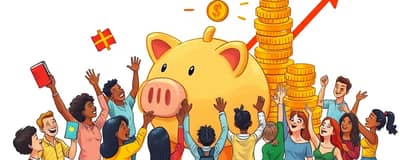
In today’s ever-shifting financial landscape, the hustle economy has emerged as a powerful force, enabling millions to transform passions into profit. As traditional employment models evolve under pressure from automation, wage stagnation, and rising living costs, side hustles offer a path toward greater financial resilience and autonomy.
Reimagining Work in the 21st Century
The hustle economy, often called the side hustle economy, is a parallel income system where individuals leverage skills, assets, or creative talents outside their main jobs. Driven by economic insecurity and stagnant wages, this movement taps into digital platforms—Airbnb, Uber, Etsy, YouTube, TikTok—that lower barriers to entry and simplify marketing, payments, and customer access.
Far from a passing trend, side hustles have become a critical component of modern capitalism, offering flexibility in an era of unpredictability. Whether it’s monetizing an artistic passion or renting out underused space, side ventures empower people to build multiple income streams and pursue creative fulfillment.
Powerful Statistics That Illustrate the Movement
Consider these eye-opening figures: 39% of working Americans now maintain a side hustle, with up to 80 million participants. Millennials lead the charge at 50%, while 70% of Gen Z are exploring additional income streams. Globally, 72% of workers rely on secondary sources, and 71% expect the trend to intensify.
By 2033, the gig economy is projected to reach $2.15 trillion in annual value, growing at over 16% each year. Monthly in the U.S., more than 400,000 new businesses launch—many as side ventures—fueling what some call the largest entrepreneurial expansion ever.
Earnings Tiers and Time Investment
How much can you realistically earn? The hustle economy spans a spectrum:
On average, hustlers invest 11–16 hours per week, earning $16–$23 hourly. Top performers often work fewer than 20 hours weekly yet command $60–$500 per hour. Even modest engagements—0–5 hours weekly—can generate $100 or more and build momentum toward greater gains.
Why People Hustle: Motivations and Mindsets
Side hustles attract a diverse crowd: young professionals hedging against layoffs, parents juggling childcare, migrants bypassing employment barriers, and retirees topping up pensions. Forty-five percent of hustlers come from households earning over $100,000, viewing side gigs as strategic hedges rather than necessity alone.
Key drivers include inflation, housing costs, interest rates, and the erosion of lifetime job security. Post-pandemic shocks underscored the fragility of single-income dependence, propelling 75% of workers to see side hustles as a lasting fixture rather than a short-term fix.
Platforms Fueling the Side Hustle Boom
Digital platforms act as “invisible employers,” charging commissions, enforcing policies, and sometimes deactivating accounts—all without providing benefits. Yet they also grant access to global audiences, streamlined payments, and built-in marketing tools.
- Service-based: Consulting, virtual assistance, freelancing
- Product-based: E-commerce sales, digital downloads, handcrafted goods
- Tech-enabled: Rideshare driving, home sharing, delivery services
- Creative: Content creation on YouTube, TikTok, Instagram, photography, design
Real-World Benefits: Flexibility, Innovation, and Resilience
- Monetize underused assets and skills—turn spare rooms or unique talents into revenue streams.
- Test ideas without quitting a steady job—validate business models at low risk.
- Weather economic downturns—build fallback income when traditional employment wavers.
- Fuel innovation—launch podcasts, courses, digital art, and indie publishing projects.
These benefits combine to create a powerful safety net and launchpad for entrepreneurial exploration, giving individuals agency over their financial futures.
Navigating the Downside: Risks and Realities
- Precarious income streams—earnings can fluctuate dramatically month to month.
- Absence of benefits—no retirement plans, healthcare, or paid leave provided.
- Regulatory uncertainty—tax laws and labor classifications lag behind evolving business models.
- Long-tail distribution—millions earn little while a few capture substantial gains.
Awareness of these pitfalls is essential. Smart hustlers plan for lean periods, set aside emergency funds, and stay informed on legal requirements.
Strategies for Success in the Hustle Economy
Success demands intentionality. Begin by identifying strengths and passions, then research platforms that align with your goals. Treat your side gig as a business:
1. Define clear objectives and measure progress regularly.
2. Brand yourself with a consistent online presence and professional portfolio.
3. Master time management—structure your week to balance main employment and side projects.
4. Automate and outsource repetitive tasks to free creative energy.
5. Diversify income—combine service offerings with passive digital products.
6. Maintain accurate financial records and set aside funds for taxes.
7. Network with fellow creators and entrepreneurs for support and collaboration.
By adopting a disciplined, growth-oriented mindset, side hustlers can scale operations, boost earnings, and cultivate sustainable enterprises.
Looking Ahead: The Future of Multi-Stream Incomes
The hustle economy is not a fleeting craze but a structural shift in how we work and earn. Advances in AI and platform technology will continue to lower barriers, while economic volatility cements the need for multiple income streams. As traditional “one job, one life” narratives fade, side hustles will remain a cornerstone of financial strategy worldwide.
In this dynamic ecosystem, adaptability, creativity, and resilience define success. By embracing side ventures, individuals can forge new paths, leverage passions, and secure financial freedom on their own terms.
Whether you’re just exploring ideas or already generating side income, there’s never been a more exciting time to join the hustle economy. Start small, stay focused, and watch your passions transform into paychecks.