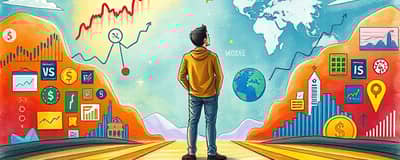
In today’s rapidly evolving world, your skills, knowledge, and experiences are far more than personal traits—they are powerful assets that shape your future.
By treating yourself as a portfolio to nurture, you unlock potential far beyond what traditional measures of success can capture.
Understanding Human Capital
At its core, human capital refers to personal attributes and knowledge that create economic value. When you invest in education, training, or emotional intelligence, you enhance not only your individual capacity but also the collective strength of every environment you join.
Human capital is intangible and cannot be owned, yet its impact ripples through economies, organizations, and communities. Unlike a machine or building, your human capital grows with use, innovation, and adaptation.
- Knowledge capital: formal education and technical expertise
- Social capital: networks, relationships, and trust
- Emotional capital: self-awareness, empathy, and resilience
Why Investing in Yourself Matters
Investments in your human capital yield significant returns on multiple levels. As you acquire new skills, your earning potential increases, opening doors to new opportunities and greater income stability.
On a broader scale, this growth generates an economic multiplier effect. Higher personal income boosts spending in local communities, fueling demand for goods and services and empowering businesses to innovate and expand.
Organizations recognize this impact and strive to cultivate workforces rich in human capital. Companies that prioritize employee development consistently outperform peers, demonstrating higher productivity and financial returns year after year.
- Specific investments: tailored training that benefits your current role
- General investments: broad-based skills that enhance your overall market value
Strategies for Building Your Human Capital
Building robust human capital requires intentional effort and strategic planning. Begin by assessing your current strengths and identifying areas for improvement, whether technical, interpersonal, or creative.
Consider adopting these practices:
- Continuous learning: enroll in courses, attend workshops, and pursue certifications
- Networking: engage with mentors, peers, and industry groups to exchange insights
- Emotional intelligence development: practice self-reflection, active listening, and empathy
By weaving these elements into your daily routine, you cultivate a holistic view of workforce potential that sets you apart in any field.
Measuring and Sustaining Your Growth
Tracking progress is essential to ensure your investments translate into tangible benefits. Set clear goals and milestones—such as mastering a programming language, leading a successful project, or improving team communication.
Regularly evaluate your performance and solicit feedback from mentors or supervisors. Use data-driven tools, such as learning management systems or personal growth journals, to monitor improvements and identify skill gaps.
Overcoming Risks and Challenges
Despite the clear benefits, investing in human capital carries risks. Skills can become outdated, and without consistent practice, even high proficiency erodes.
Guard against depreciation by staying curious. Subscribe to industry newsletters, participate in online forums, and experiment with emerging technologies to keep your abilities fresh and relevant.
Additionally, balance specific human capital investments with general skills to protect your market value if change demands a pivot.
Integrating Growth into Organizational Culture
When organizations prioritize human capital, they create environments that nurture talent and spur innovation. As an employee or team member, advocate for practices such as:
- Regular training programs with measurable objectives
- Cross-functional projects to expand skill sets
- Wellness initiatives that support mental and physical health
These initiatives not only benefit you individually but also cultivate a strategic asset essential to long-term value creation for the entire organization.
A Call to Action: Embrace Your Development
Your journey toward enhanced human capital begins with a single step: commit to lifelong growth. Reflect on your passions, set ambitious goals, and pursue opportunities that challenge you.
Remember, every workshop you attend, every relationship you build, and every new concept you master contributes to an ever-growing reservoir of capabilities.
By investing in yourself as diligently as you would any other asset, you not only secure your personal and professional future but also drive the collective success of your colleagues, communities, and industries.
Embrace this paradigm shift. Recognize that developing people pays off in greater productivity, resilience, and fulfillment. Your human capital is your greatest resource—invest wisely, and watch it compound into a lifetime of achievements.