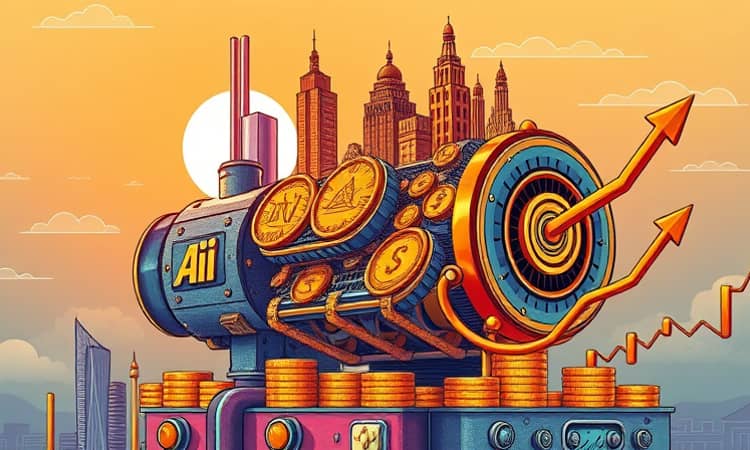
In a world of shifting markets and evolving technologies, diversification as the engine for sustained wealth growth has never been more vital. As 2026 unfolds, investors face both unprecedented opportunities and nuanced risks. By treating your portfolio like a finely tuned machine, you can channel market dynamics into a reliable source of expansion.
Imagine your investments as parts in a grand engine—each cog, piston, and valve working in harmony to convert time and capital into growth. This narrative will guide you through the designs, materials, and maintenance routines needed to keep your financial machine running at peak performance.
Understanding Diversification: Your Financial Engine
Diversification spreads risk and positions capital across multiple avenues for balanced growth. It’s more than a buzzword: it’s the very mechanism that reduces drawdowns while capturing upside. By integrating assets that react differently to market shocks, you ensure that a downturn in one sector doesn’t stall your entire engine.
Consider these core dimensions of diversification:
- By asset class: Stocks, bonds, real estate, commodities, private equity
- By sector: Technology, healthcare, consumer staples, industrials, energy
- By geography: Domestic markets, developed international, emerging economies
- By risk level: Low-volatility bonds through high-growth venture opportunities
Tools such as ETFs and mutual funds simplify implementation, while regular rebalancing and stop-loss orders keep your mix in check. These techniques, when applied diligently, transform scattered parts into a cohesive growth engine.
Assessing Risk Tolerance for Strategic Growth
No two portfolios are identical. Understanding your personal risk profile is a vital calibration step. Are you comfortable with short-term volatility in pursuit of high-conviction AI investments? Or would you prefer the steadiness of inflation-linked bonds and rental properties?
Risk tolerance hinges on factors such as investment horizon, cash flow needs, and financial goals. Conduct a thorough evaluation by asking:
- What drawdown level can you endure without emotional distress?
- How long can your capital remain invested to capture compounding?
- Which life events might require liquidity over the next five years?
Once defined, set Key Performance Indicators—such as monthly return targets, allocation drift thresholds, and savings rate milestones—to power data-driven decision-making and periodic adjustments.
2026 Market Outlook and Emerging Trends
The global economic landscape in 2026 is defined by accelerating productivity gains, particularly from artificial intelligence, alongside geopolitical shifts that favor emerging markets. Central banks have signaled gradual policy easing, creating a supportive backdrop for equities.
Key drivers for the year include:
- Continued AI and automation investments boosting corporate earnings
- Rising consumer demand in India, Brazil, and Southeast Asia
- Renewed interest in sustainable and social impact strategies
- Resilience in dividend-paying stocks and securitized credit markets
Investors must remain vigilant against inflation spikes, regulatory shifts, and political noise. Hedges such as commodities, real estate, and inflation-linked bonds can protect purchasing power while allowing participation in growth sectors.
Sample Portfolio Allocation Models for Every Risk Level
Below are blueprint models designed to match low, medium, and high-risk appetites. Use them as starting points, then tweak allocations based on your unique circumstances.
These models illustrate how mixing asset classes and geographies can fuel long-term expansion while containing downside risks.
Actionable Steps to Fuel Your Portfolio's Expansion
With a sound strategy in place, transform intentions into action with this six-step roadmap:
- Define goals and assess risk tolerance to set clear parameters.
- Review current allocation and identify gaps in diversification.
- Implement changes via ETFs, index funds, and targeted direct investments.
- Rebalance quarterly or when allocations deviate beyond set thresholds.
- Pursue continual education through courses, expert networks, and market research.
- Consult tax professionals to optimize tax-efficient investment strategies tailored to your jurisdiction.
Each step reinforces the engine’s components, ensuring that your capital remains aligned with your evolving objectives.
Embracing Continuous Learning and Adaptation
The most successful investors treat the market as a living laboratory. No plan survives unchanged; adaptability is your highest-value skill. Engage with industry peers, attend webinars, and read forward-looking research to stay ahead of the curve.
By combining inflation hedges for preservation with high-growth opportunities, you create a resilient machine capable of navigating both calm seas and stormy waters. Remember, the journey to wealth is a marathon, not a sprint.
As you fine-tune your growth engine, let curiosity and discipline guide each decision. In doing so, you’ll harness the full power of diversification, risk management, and market insight—fueling a portfolio that accelerates your financial aspirations toward new horizons.