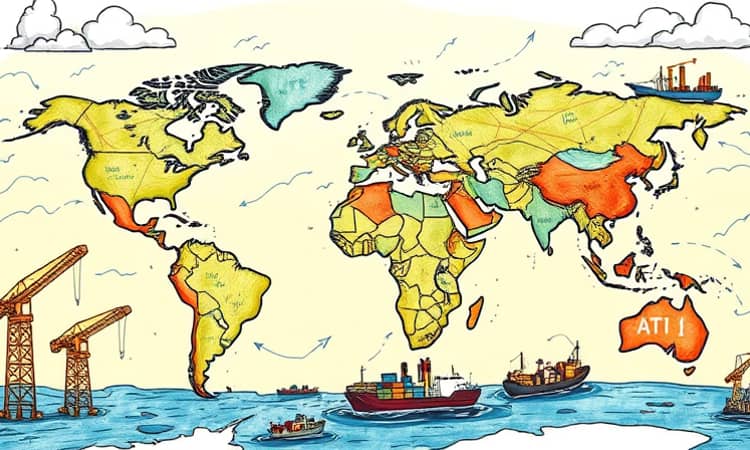
In 2026, investors face an environment shaped by rising multipolar geopolitical tensions, intensifying resource competition, and policy-driven diversification strategies. Against a backdrop of structurally higher inflation and fragmented trade, resilience has become the watchword for portfolios seeking both growth and protection.
As great-power rivalry accelerates, climate-related resource grabs multiply, and multilateral institutions strain, financial markets will respond with greater volatility. For today’s investors, understanding these dynamics is no longer optional—it is essential for seizing the opportunities that emerge amid disruption.
Overview of Rising Geopolitical Risks
Geopolitical tensions are elevated to levels unseen since the mid-20th century. With more active conflicts worldwide and a steady erosion of cooperative norms, capital flows now travel through shifting security lenses. Governments are reorienting supply chains, imposing tariffs, and forging new alliances to safeguard economic interests.
The tech revolution in artificial intelligence compounds uncertainty. An unregulated AI race fuels competition between the United States and China, while simultaneously offering transformative potential for productivity. Meanwhile, national security considerations increasingly shape energy, defense, and trade policies across regions.
Major Hotspots and Flashpoints
Investors must monitor a host of regional tensions that carry both downside risks and targeted opportunities. Below is a snapshot of the most critical flashpoints:
- Arctic Competition: Melting ice has opened new shipping lanes and resource fields, pitting Russia and China against North American interests. The U.S. strategic focus on Greenland underscores the stakes.
- US-China Dynamics: Persistent tension over technology and trade persists, with the AI arms race intensifying without formal regulation. A major escalation remains unlikely, but sustained ‘grey zone’ competition will impact supply chains and investment flows.
- Middle East Flux: Iran’s domestic protests, shifting Iran–Israel engagements, and evolving Gulf alliances contribute to both energy price volatility and reconstruction opportunities for defense and infrastructure sectors.
- Ukraine–Russia Ceasefire: A fragile pause could unlock large-scale European reconstruction efforts, while renewed hostilities would heighten energy insecurity and military spending across NATO.
- Domestic Political Shifts: Upcoming elections in the U.S., Europe, and Latin America favor right-leaning, market-friendly administrations in some regions, even as fiscal debates intensify ahead of midterms.
Economic Impacts and 2026 Forecasts
Global growth in 2026 is expected to remain modest yet resilient. Trade frictions and debt burdens weigh on expansion, while the tech and AI boom offers partial offset. Below is a summary of key growth projections and drivers:
Although headline rates suggest stability, underlying pressures persist. Inflation remains structurally higher due to supply chain realignments and security-driven trade barriers. Energy price shocks, particularly in natural gas and critical minerals, will continue to jolt markets.
Investors should anticipate episodic volatility around tariff announcements, election outcomes, and policy shifts. Yet, pockets of growth tied to AI rollouts, green energy transition, and defense modernization may outpace the broader economy.
Emerging Investment Themes and Opportunities
In a landscape marked by structurally higher inflation, lower growth, and fragmented globalization, certain sectors and strategies stand out. Diversification is no longer just geographic—it must span themes aligned with national security and technological leadership.
Key thematic opportunities include:
- AI and Defense Spending: With AI central to military modernization and civilian applications, firms at the intersection of technology hardware, software, and cloud services will benefit.
- Critical Minerals and Supply Chains: Alliances targeting rare earths, lithium, and cobalt production aim to reduce overdependence on China and build transparent, traceable sourcing networks.
- Gold and Hard Assets: As central banks diversify reserves and currencies face pressure, gold and other commodities act as traditional hedges against inflation and currency volatility.
- Reconstruction and Infrastructure: A potential Ukraine rebuilding program and expanded NATO defense budgets create opportunities in construction, engineering, and materials sectors across Europe.
Active management and scenario-based allocation will be crucial. With rapid policy shifts and frequent shocks, passive strategies risk unintended exposures, while nimble portfolios can skew toward sectors that outperform in security-driven spending cycles.
Strategies for Building Resilience
Faced with an unpredictable geopolitical backdrop, investors can adopt the following playbook to fortify portfolios:
- Scenario Planning: Develop multiple economic and political scenarios, stress-test asset allocations, and assign probabilities to outcomes.
- Geopolitical Integration: Monitor elections, tariff developments, and alliance formations. Engage specialized research to flag emerging risks before they materialize.
- Supply Chain Traceability: Favor companies with transparent, diversified supply chains. Incorporate ESG analysis to spot vulnerabilities around resource scarcity and regulatory shifts.
- Active Risk Management: Use options, gold, and hard asset exposures to hedge tail risks. Maintain liquidity buffers to capitalize on dislocations.
Building resilience also means staying agile. As new alliances and trade agreements emerge, sectors once deemed peripheral could become core contributors to growth. Investors should be prepared to reweight portfolios swiftly in response to unfolding events.
The year ahead promises to test both strategic foresight and operational flexibility. By embracing an integrated approach—linking geopolitical intelligence with economic analysis and thematic allocation—market participants can navigate global shocks more effectively.
Ultimately, while volatility may persist, so too will opportunities. Bold investors who blend conviction with careful risk management will be best positioned to thrive. In an era defined by uncertainty, resilience is not just a defensive posture—it is a path to sustainable, long-term outperformance.