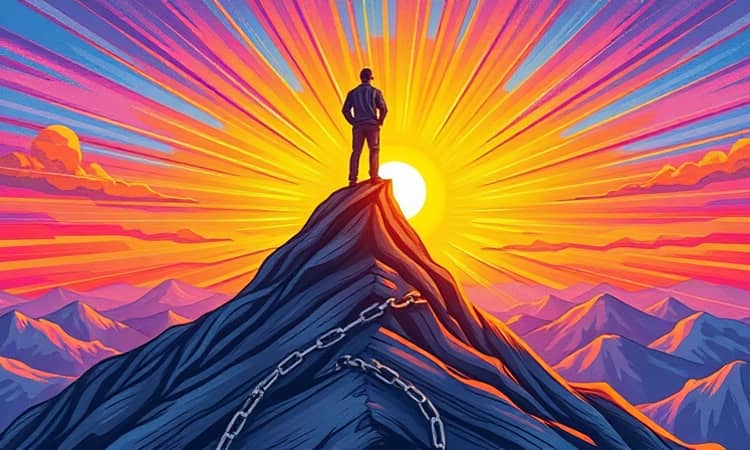
Understanding the path to financial freedom requires more than motivation—it demands a clear roadmap. This guide helps you break free from debt and build habits to stay free.
Phase 1: Breaking Free
Before tackling balances, start with a perform a thorough debt inventory. Listing every debt, from credit cards to personal loans, clarifies your total obligation and interest landscape.
Next, embrace the adhere to the 50/30/20 budget rule to create a budget that channels 50% of income to needs, 30% to wants, and 20% to savings or debt repayment. Tracking expenses uncovers spending patterns and highlights areas for cuts.
- Meal plan and cook at home to reduce dining costs
- Switch to generic brands for household staples
- Cancel unused subscriptions and memberships
- Shop thrift or secondhand for clothing and goods
- Carpool, bike, or use public transit to shrink commuting bills
Boosting income accelerates your journey. Allocate extra earnings directly to debts to maximize momentum and minimize interest buildup.
- Pursue freelancing gigs or part-time work in your skill set
- Offer pet sitting, ridesharing, or home-sharing services
- Sell unwanted items online or at local markets
- Ask for a performance-based raise or commission increase
- Channel tax refunds or bonuses into debt reduction
With extra funds in hand, choose a repayment strategy that fits your psychology and goals. A clear plan builds confidence and sustains progress.
Beyond these core methods, you can employ alternative routes to lower rates and fees.
- Negotiate directly with creditors to secure reduced interest rates or establish affordable payment plans in writing
- join a debt management agency plan with a reputable agency to consolidate payments and lower fees over three to five years
- pursue a formal debt settlement program to negotiate lump-sum payoffs below the full balance, understanding this can impact credit scores
Remember, always aim to pay more than the minimum. Minimum payments often cover only interest, leaving your principal untouched and your debt lingering far longer.
Phase 2: Staying Free
Paying off debt is transformational, but maintaining freedom demands new habits. Building resilience against future financial shocks prevents a relapse into borrowing.
Create and grow an build an emergency cash reserve fund that covers three to six months of essential expenses. Having a cash buffer means unplanned costs won’t force you back into high-interest credit cards or loans.
Stick to adhere to ongoing budgeting habits by revisiting your income and expenses each month. Adjust categories, celebrate progress, and set new goals like a home down payment or retirement savings.
Schedule and conduct quarterly financial health reviews including credit score monitoring and account audits. Identifying errors or changes early keeps your financial picture accurate and actionable.
Adopt sustainable lifestyle rules to reinforce your success. Forego new high-interest debt and favor debit or cash for discretionary spending. Meal prep weekly, buy only what you need, and reuse or repurpose items to curb impulse purchases.
Low-income households can apply these same principles at a smaller scale. Calculate total debt and minimums, allocate realistic extra payments—even $10 or $20—toward the highest fee penalties first. Over time, these small steps accumulate into significant progress.
Celebrate each small financial victory—whether it’s paying off a single credit card or reaching a new savings milestone. Recognizing progress fuels motivation and strengthens your relationship with money.
Finally, maintain a mindset of abundance rather than deprivation. View this plan as a path to focus on long-term wealth building, not just a temporary sacrifice. Embracing these changes fosters confidence, reduces stress, and empowers you to shape your financial destiny.
Breaking free from debt and staying free is a multi-step journey. It involves introspection, discipline, creative income strategies, and persistent maintenance. By combining a clear repayment plan with robust prevention tactics, you can turn the page on debt and write a new chapter of financial independence.
Embark today on your Debt Escape Plan. Your future self will thank you for the courage, commitment, and resilience you show right now. The freedom you build today becomes the foundation for a life lived on your own terms—debt-free, empowered, and ready for whatever comes next.