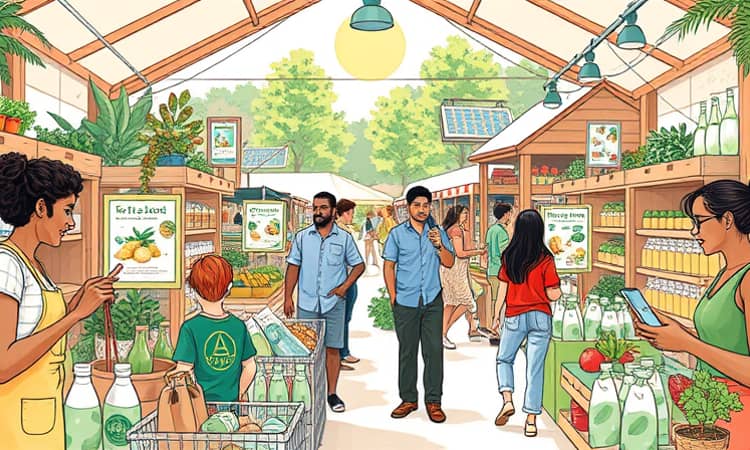
In an era marked by economic uncertainty and growing awareness of social and environmental impacts, a new generation of buyers is emerging. These shoppers are defined not only by the price tags they chase but by the principles they uphold. They demand transparency, sustainability, and connection, shaping markets through their choices.
Navigating Economic Pressures in 2026
Today’s consumers face a complex landscape of rising tariffs, persistent inflation, and widening income disparities. Yet rather than retreating into purely budget-driven behavior, many are adopting a hybrid approach that marries value-seeking amid economic uncertainty with a quest for meaning in every purchase.
Across income brackets, more than 60% of shoppers prioritize affordability, comparing prices across multiple retailers and leaning into private labels, club stores, and bulk buying. At the same time, three out of five consumers believe the economy is worsening, prompting vigilant deal-hunting via cash-back apps and coupon strategies. This dual focus drives a pattern of shopping at three times as many outlets for groceries and essentials as before, fragmenting baskets but maximizing savings.
Higher-income households maintain resilient spending, particularly on experiences and personalized services, while lower-income consumers tighten every belt, even on necessities. As pandemic-era savings dwindled, 79% of shoppers adjusted their behavior—trading down on brands, opting for generics, and rethinking subscription services.
Embracing Purpose-Driven Purchases
Affordability is just one dimension of purchase decisions in 2026. Equally powerful is the drive to align spending with personal values. Over 40% of buyers express willingness to pay a premium for brands that reflect their beliefs. Sustainability is no longer an optional marketing badge; it is fundamental to trust and loyalty.
- Eco-conscious behaviors: 72% of consumers report buying more sustainable products than a year ago, and 62% actively seek out eco-friendly options.
- Community focus: Local sourcing and support for small businesses are viewed as extensions of personal commitment.
- Wellness integration: From food traceability to wearable devices for preventive health, shoppers prioritize comprehensive well-being in every category.
Leading brands illustrate the shift. IKEA aims to be climate positive by 2030, investing in renewable energy and sustainable materials. Patagonia continues its mission with repair programs and donating 1% of sales to environmental causes. In both cases, sustainability sits at the core of business strategy, not marketing veneer.
The Rise of Personalized and Experiential Consumption
As products commoditize, experiences and personalization emerge as key differentiators. The experience economy has outpaced goods for growth: Airbnb reported $82 billion in revenue and nearly 500 million booked nights, while livestream shopping in the US reached $70 billion.
Advances in AI and data analytics enable tailored offerings—from digital labels on Nutella jars to bespoke beauty routines at Aesop stores. While some consumers raise privacy concerns, most appreciate the relevance and convenience of hyper-personalized touchpoints in retail.
- Social commerce: Seventeen percent of online sales now occur via social platforms, blending entertainment and shopping seamlessly.
- Immersive formats: Virtual showrooms, augmented reality try-ons, and interactive live streams engage buyers beyond static product pages.
- Experience loyalty: Reward programs are evolving to offer exclusive events, wellness retreats, and community-building activities rather than just points or discounts.
These trends reflect a broader ethos: consumers crave stories and connections, choosing brands that deliver memorable moments over mass-produced items.
Strategies for Brands to Thrive
To win the conscious consumer, companies must integrate purpose and resilience at every level. Here are key steps:
- Audit operations for sustainability, wellness, and social impact, embedding improvements into core processes.
- Invest in insights through advanced analytics and ethnographic research to understand evolving motivations.
- Experiment with AI-driven personalization and immersive experiences, ensuring relevance without intrusion.
- Strengthen supply chain transparency and security to reassure buyers amid geopolitical tensions.
- Offer loyalty incentives that foster habits around community and well-being rather than simple transactional rewards.
Building trust through transparent practices and delivering on promises is non-negotiable. Leading upstarts and heritage brands alike must collaborate with suppliers, innovators, and community stakeholders to co-create solutions that resonate.
Looking Ahead: Opportunities and Recommendations
The conscious consumer movement will continue to accelerate. As the value proposition of sustainability, wellness, and personalization becomes mainstream, brands that remain passive risk obsolescence. Companies should seize this moment to:
• Deepen commitments to environmental and social goals, tracking progress with publicly shared metrics. • Expand experiential offerings that blend digital and physical engagement. • Leverage technology responsibly to deliver individualized journeys that respect privacy. • Cultivate local partnerships to reinforce community ties and resilience.
By prioritizing long-term value over short-term gains, businesses can align with consumer aspirations and drive sustainable growth. The future belongs to those who recognize that spending with purpose is not just a trend, but a fundamental shift in how people connect with the world around them.
The journey of the conscious consumer is far from over. It demands continuous innovation, genuine stewardship, and an unwavering commitment to values. Brands and buyers alike share the responsibility—and the opportunity—to shape a marketplace where every purchase contributes to a healthier planet, stronger communities, and enriched lives.