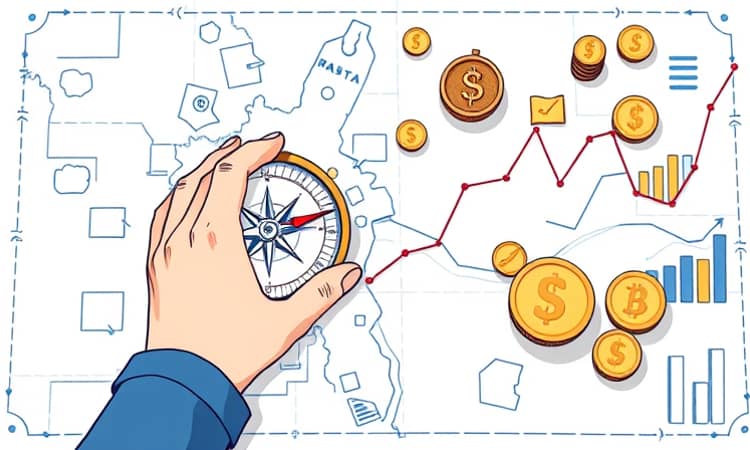
Imagine your financial life as a vast ocean, with currents of debt, winds of opportunity, and storms of uncertainty.
Charting a course to success in 2026 demands not just hope but a deliberate and actionable plan to weather changes and reach safe harbors.
This journey begins with assessing your current position and setting a clear destination for your wealth.
Whether you are saving for retirement, managing debt, or optimizing investments, every step matters in building a resilient financial future.
Embrace this navigational mindset to transform anxiety into empowerment and dreams into reality.
Setting Your Financial Coordinates
Before you can navigate, you must know where you stand and where you want to go.
A shocking retirement savings gap leaves many Americans unprepared, with an estimated need of $1.26 million for comfort.
Start by evaluating your assets, debts, and goals to create a tailored financial plan.
This foundation is crucial for all subsequent decisions and adjustments.
- Assess your finances annually, including equity in home, savings, and investments.
- Set specific short-term and long-term goals at 1, 5, and 10-year horizons.
- Use tools like credit reports and FICO scores for fraud protection and insight.
- Work with a financial advisor to personalize strategies and avoid common pitfalls.
This proactive approach ensures you are not drifting aimlessly but steering with purpose.
Navigating Debt and Building Savings
Debt can feel like an anchor, but with strategy, you can lift it and sail forward.
With 70% of Americans holding non-mortgage debt averaging $21,500, prioritization is key.
Focus on eliminating high-interest debt first, such as credit cards, to free up resources.
- Automate savings using the "pay yourself first" method to build consistency.
- Target an emergency fund of 3-6 months of expenses in high-yield savings.
- Cancel unused subscriptions and track monthly expenses to stay within budget.
- Leverage employer benefits like HSAs and FSAs for additional savings opportunities.
These steps create a buffer against unexpected bills, which affected 72% of people in 2025.
By managing debt wisely, you can redirect funds toward growth and security.
Tax Strategy for 2026 and Beyond
Taxes are a significant part of your financial voyage, and optimization can save thousands.
With nearly half of Americans lacking understanding of taxes' impact, education is vital.
Diversify your accounts between traditional and Roth options for tax treatment flexibility.
Consider this table for common tax-advantaged accounts and their benefits:
Additionally, plan for Roth conversions in low-income years and withdraw from tax-deferred accounts strategically.
This approach helps navigate upcoming tax changes effective in 2026, ensuring you minimize liabilities.
Investment and Portfolio Moves for Resilience
Investing is the engine that propels your financial ship toward long-term goals.
In 2026, with expected Federal Reserve rate cuts, focus on building a resilient portfolio.
Align your risk tolerance with your time horizon and diversify across asset classes.
- Rebalance your portfolio annually to maintain your desired asset allocation.
- Consider fixed income investments with 5-7 year maturities amid rate fluctuations.
- Use tools like Wealth Plan Plus for cash flow and risk analysis.
- Broaden your portfolio to include stocks, bonds, and other assets for growth.
Remember, consistent and informed investing is more effective than timing the market.
This strategy helps combat inflation and volatility, keeping you on course.
Estate Planning and Protection Strategies
Protecting your legacy ensures that your financial journey benefits future generations.
Estate planning is often overlooked, but it is essential for peace of mind.
Start by drafting key documents and updating beneficiaries regularly.
- Create a will to outline asset distribution after your passing.
- Establish durable and health care powers of attorney for medical decisions.
- Research long-term care costs and explore insurance options with an advisor.
- Update beneficiaries on insurance and retirement accounts, as they supersede wills.
This proactive step safeguards your wealth and provides clarity for loved ones.
Adapting to Economic Changes in 2026
The economic landscape is shifting, and adaptability is your compass for success.
With potential policy changes and no recession yet, preparation is key.
Stay informed about economic outlooks, such as job markets and housing trends.
Use annual resets to review your balance sheet and adjust goals accordingly.
- Monitor economic indicators and policy updates that may affect your finances.
- Enhance tax efficiency by withdrawing from accounts in low tax brackets.
- Focus on cost efficiencies in business or personal spending for growth.
- Leverage resources like nonprofits and government funding for additional support.
This adaptability ensures you can navigate uncertainties with confidence and seize opportunities.
By staying agile, you can turn challenges into stepping stones toward financial freedom.
Your journey to financial success is a continuous process of learning and action.
Embrace the role of the capital navigator, charting each step with intention and care.
With these strategies, you can build a future that is secure, prosperous, and aligned with your dreams.
Start today, and let 2026 be the year you take control of your financial destiny.