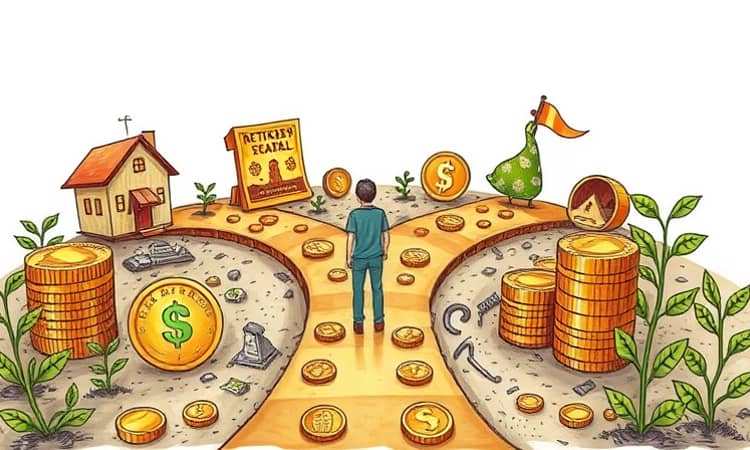
In a world where every dollar can shape your future, the key lies in turning every dollar into a strategic asset. Whether you’re aiming for a comfortable retirement, a dream home, or simply greater financial peace of mind, building a robust financial footprint starts with intentional choices and reliable systems.
This guide offers practical, actionable steps to help you assess your current standing, optimize spending, fortify savings, manage debt, and invest wisely—so you can achieve lasting impact and resilience.
Assessing Your Financial Footprint
Before plotting your path forward, you need a clear snapshot of where you stand today. Begin by calculating your net worth: subtract total liabilities from total assets for an immediate health check on your finances. Note every debt type—credit card, student loan, auto loan, mortgage—and their interest rates.
Next, map all income sources (salary, side gigs, benefits) against monthly expenses. Categorize spending to spot quick wins. Common categories include:
- Housing and utilities
- Food and groceries
- Transportation and insurance
- Debt payments and subscriptions
- Entertainment and miscellaneous
Review bank and credit union apps to automate alerts, track trends, and identify financial leaks—those impulse buys or forgotten subscriptions draining your budget. Tools like subscription auditors can uncover unused services, helping you reclaim cash for higher priorities.
Smart Cash-Flow Management
Traditional budgets can feel restrictive. A spending plan, by contrast, aligns dollars with values and goals. A popular rule of thumb is the 50/30/20 split: allocate 50% of after-tax income to needs, 30% to wants, and 20% to savings and debt repayment. Yet flexibility and regular tweaks ensure lasting success.
To spend smarter and reduce waste, try these tactics:
- Cut the clutter: cancel unused streaming services and memberships.
- Budget-friendly socializing: swap pricey dinners for picnics or potlucks.
- Meal planning: batch cook to minimize food waste and grocery trips.
- No-spend challenges: designate a week to channel every saved dime into savings.
By automating savings and bill payments, you remove friction and ensure money moves where it needs to without endless manual transfers.
Building Robust Savings Habits
A solid savings foundation balances immediate security and long-term goals. First, establish an emergency fund holding 3–6 months of essential expenses. This buffer guards against unexpected medical bills, car repairs, or job disruptions.
Next, park short-term funds in high-yield savings accounts offered by online banks, earning more interest than traditional checking. Automate transfers on payday and leverage round-up features that sweep spare change into savings.
Define clear, achievable goals using the SMART framework. The table below illustrates targets across horizons:
With targets in place, you’ll see progress and stay motivated to keep building your nest egg.
Managing Debt Strategically
Not all debt is equal. List every liability with its balance, rate, and minimum payment. Prioritize repayment to tackle the most costly obligations first, eroding the drag on your finances. Embrace time-honored debt repayment strategies:
- Debt avalanche: attack highest interest rates to minimize total interest paid.
- Debt snowball: focus on smallest balances to build momentum and confidence.
As income grows, resist the urge to upgrade lifestyle in lockstep. Instead, channel raises into accelerated debt payoff or increased retirement contributions. Cultivating discipline now pays dividends down the road.
Leverage automation for on-time payments and maintain healthy credit scores—essential for competitive mortgage rates or business financing later on.
Investing for Growth and Resilience
Once debts are under control and savings processes humming, turn attention to investing. Starting early and contributing consistently taps the full power of compounding, gradually expanding your financial footprint.
Maximize contributions to 401(k)s or equivalent workplace plans—and don’t miss capturing the full employer match. Supplement with IRAs or other tax-advantaged vehicles, striving for maximizing tax-advantaged retirement contributions to boost after-tax returns.
Craft a simple, diversified portfolio—favoring broad-market ETFs and funds over single-stock bets. Periodically rebalance to maintain alignment with risk tolerance and goals. For taxable accounts, explore tax-loss harvesting and place income-generating assets where they benefit most from tax deferral.
Values-aligned investing can further empower you to support causes you believe in, marrying purpose with profit and reinforcing the sense that every dollar works double duty toward your ideals.
Conclusion
Maximizing your financial footprint isn’t a one-time event—it’s a lifelong journey of intention, review, and adjustment. Schedule monthly check-ins to track net worth, assess debts, and tweak your spending plan. As you progress, celebrate milestones and refocus on emerging priorities.
By transforming financial habits into lasting wealth, you build not just a balance sheet, but a foundation for freedom, resilience, and the future lifestyle you envision. Start today—your tomorrow depends on it.