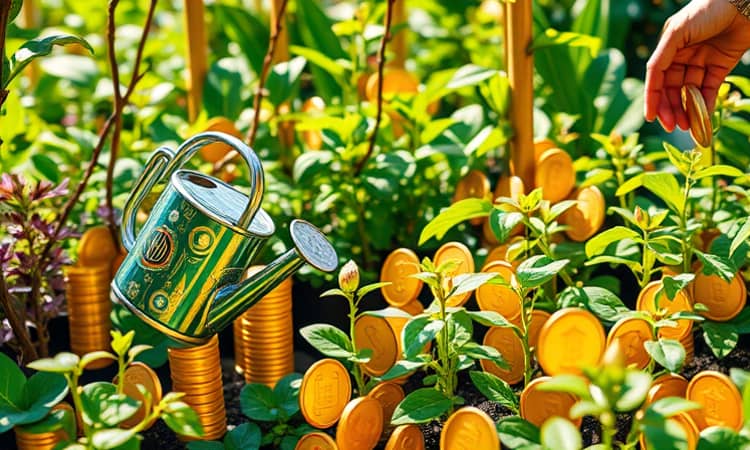
Imagine your finances as a thriving garden: each decision is a seed, every habit a drop of water, and your long-term rewards a bountiful harvest. In 2026, with economic pressures and innovative tools at our fingertips, it’s more critical than ever to plant wisely, nurture consistently, and weed out waste. This guide will inspire and equip you to cultivate lasting financial well-being and growth.
Foundations of Your Financial Garden
Before sowing new habits, conduct an annual checkup: review last year’s wins and lessons. Did you eliminate high-interest debt? Track your spending patterns: recurring subscriptions, impulse purchases, dining out. This baseline helps you identify fertile ground for growth and areas that need weeding.
Next, set 1–3 realistic goals with timelines. Examples include building a $5,000 emergency fund, halving credit card balances, or maximizing catch-up retirement contributions. Break each goal into micro-stages—first $100, then $500, then $1,000—to celebrate small victories and maintain momentum.
- List income, fixed and variable expenses, and debts with interest rates
- Subtract expenses from income to determine surplus or deficit
- Use apps or spreadsheets for weekly expense tracking
- Create a simple dashboard to visualize progress
Daily Nurturing: Small Habits with Big Impact
Just like a garden needs regular watering, your finances thrive on consistent small actions compounding over time. Automate your savings transfers—treat contributions to emergency and investment accounts as nonnegotiable bills. Schedule monthly auto-pay for recurring expenses and debt payments to avoid late fees and stress.
Tag your money: designate specific buckets for emergencies, freedom, and goals. This purposeful labeling transforms vague intentions into actionable plans. Enable real-time spending alerts and set up visual dashboards to reinforce accountability. A quick glance at your progress can curb impulse buys before they sprout into regret.
- Automate bill payments and savings transfers
- Use robo-advisors for small, consistent investments
- Enable biometric security and fee alerts in banking apps
Key Trends and Statistics Shaping 2026
Understanding the broader economic climate helps you time your planting season. Interest rates may ease, offering opportunities to refinance high-rate debt. Yet persistent inflation drives 32% of Americans to expect worsening finances.
In the era of AI-driven budgeting, apps like Fiscal.ai and Monarch Money can predict spending patterns, suggest fee-saving changes, and automate debt payoff. Embrace these tools to reduce manual labor and focus on strategic growth.
Protecting and Growing: Advanced Strategies
As plants mature, they need strong supports and protection. Prioritize debt payoff using the avalanche or snowball method. Consider refinancing auto loans or consolidating credit card balances when rates drop. Meanwhile, direct extra funds into diversified investments: ETFs, mutual funds, and retirement accounts benefit from small contributions compounding over time.
Launch or scale side hustles with AI assistance: generate proposals, automate invoicing, and handle marketing. Allocate net earnings to high-priority goals post-tax and savings. Building multiple income streams is like adding nutrient-rich compost to your financial soil.
- Debt avalanche versus snowball payoff strategies
- Invest consistently in low-cost funds and bonds
- Maximize employer-matched retirement contributions
Overcoming Weeds and Pests: Managing Challenges
No garden is immune to threats. Impulse spending, digital shopping triggers, and social pressures can derail progress. Combat these weeds with guardrails: disable one-click checkout, set spending cooldowns, or use apps that freeze categories of spending.
Motivation may wane when growth is slow. Rely on automation and systems over pure discipline. Share progress with an accountability buddy, and schedule monthly reviews to adjust watering schedules—reallocate funds, refine budgets, and celebrate milestones to sustain enthusiasm.
Early progress visibility boosts long-term adherence. When you see a small fund sail past its first $100 milestone, you’ll feel empowered to continue watering your financial garden.
Harvesting Rewards: Celebrating and Reinvesting
At harvest time, enjoy the fruits of your labor: a fortified emergency fund, reduced debt, and growing investments. Yet true gardeners know that each harvest paves the way for next season. Reinvest a portion of gains into new goals: upskill through courses, explore real estate, or boost charitable giving.
Conduct a seasonal review: analyze what techniques yielded the best growth, which weeds returned, and how climate shifts (market trends) influenced outcomes. Then plan the next cycle with renewed insight and vigor.
Conclusion: Your Ever-Growing Financial Ecosystem
By treating your money like a living garden, you cultivate resilience, adaptability, and abundance. Plant small habits today, water them with automation and mindful tracking, prune away harmful expenses, and celebrate each harvest. With AI-powered tools, strategic planning, and consistent nurturing, your financial garden will flourish through every season, delivering long-term security and freedom.