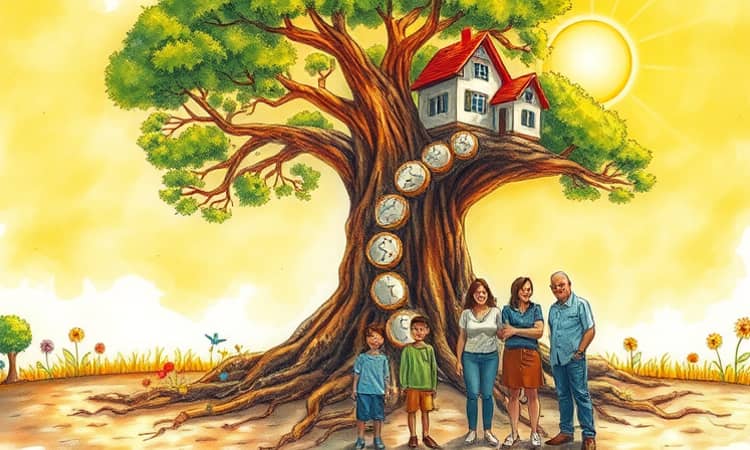
Creating wealth that transcends a single lifetime requires vision, strategy, and a commitment to both tangible assets and intangible values. By understanding the core principles and tools, families can forge a legacy that endures for decades.
Definitions & Core Concepts
At its simplest, generational wealth refers to assets or financial resources passed down from one generation to the next. These assets include cash, real estate, investments, businesses, life insurance, retirement accounts, and other property.
However, a truly holistic definition encompasses more than just numbers. It is a strategic approach to long-term stability, incorporating financial literacy, family values, and governance processes that empower heirs to continue growing the legacy.
Examples of generational wealth assets:
- Tangible assets: homes, rental properties, collectibles, and land
- Financial structures: trusts, wills, family LLCs, succession plans
- Intangible legacy: education, networks, decision frameworks, reputation
Unlike ordinary wealth—which is often consumed or spent within a single lifetime—generational wealth is intentionally structured to preserve value over time, enable efficient transfers, and instill a sense of stewardship in heirs.
Why Generational Wealth Matters (Context & Impact)
Access to generational wealth unlocks opportunities that transform lives: admission to top schools, safer neighborhoods, seed capital for startups, and a buffer against economic shocks.
When built and shared strategically, it can also be a tool for addressing systemic inequalities. Communities that historically lacked access to capital can use these strategies to close the racial and gender wealth gaps.
Beyond dollars and cents, generational wealth fosters a culture of planning and long-term thinking. Families develop resilience, reduce financial stress, and unite around shared goals—be it philanthropic endeavors or multi-generational businesses.
The “Generational Wealth Mindset”
Adopting a multigenerational perspective means thinking in decades, not days. It’s about viewing money as a tool to buy freedom, options, and new possibilities rather than mere consumption.
This mindset emphasizes delayed gratification and reinvestment, ensuring each decision aligns with core values and long-term impact. Heirs are encouraged to act as stewards, earning before inheriting, and understanding both privileges and responsibilities.
Building Blocks: How to Build Generational Wealth
Building a lasting legacy starts with solid personal finance habits, expanding into income strategies, and mastering investment vehicles.
Foundational Personal Finance: establish budgeting, track cash flow, and maintain an emergency fund to avoid high-interest debt. Balance debt repayment with consistent retirement and investment contributions.
- Create a realistic budget and monitor spending by category
- Build an emergency fund covering at least three months of expenses
- Prioritize high-interest debt reduction while saving for long-term goals
Income & Earning Power: Invest in education and skills—deemed a “high-yield investment”—through degrees, certifications, or specialized training. Parents can establish dedicated education savings accounts to fund future schooling.
Entrepreneurship offers another potent path. A successful business becomes a transferable asset, providing both income and equity value. Career planning, networking, and continuous upskilling are part of the intangible framework supporting future growth.
Investing & Asset Building: harness compounding returns by starting early and maintaining diversified portfolios. Key strategies include:
- Long-term holding of equities and bonds to benefit from market growth
- Reinvesting dividends and interest for exponential growth
- Allocating a portion of funds to stable, income-generating assets
Real estate is a classic tool for generational wealth. Rental income, property appreciation, and tax advantages make it a robust component of any legacy plan. Strategies range from buy-and-hold residential properties to holding assets in a family LLC or trust for streamlined inheritance.
Family-owned businesses require careful succession planning. Establishing clear roles, training next-generation leaders, and documenting governance processes ensure the enterprise can thrive long after the founder steps back.
Life insurance—especially dividend-paying whole life policies—serves as a core asset. It offers guaranteed cash value growth, tax-advantaged policy loans, and an income-tax-free death benefit to beneficiaries. By layering policies across family members, one can create a self-funded lending system often called “private family banking.”
Legal & Structural Tools for Lasting Prosperity
Effective legal structures protect and define the transfer of wealth. While a will is essential, it may not suffice for complex, multi-generational goals.
Keeping beneficiary designations current on retirement accounts and insurance policies ensures assets pass directly to intended heirs, bypassing probate and reducing legal hurdles.
Family governance tools—such as formal family meetings, mission statements, and conflict-resolution processes—foster unity and clarify expectations. When everyone understands their role as steward, the family can navigate challenges together.
Conclusion: A Call to Stewardship
Building generational wealth is more than a financial objective; it is a commitment to future family members, communities, and values that outlast any individual. By combining solid personal finance, strategic investments, robust legal structures, and a stewardship mindset, you can create a legacy of empowerment and opportunity.
Begin today by setting clear goals, educating loved ones, and establishing the systems that will carry your vision forward. With intention and care, you can transform your financial journey into a multi-generational story of growth, resilience, and lasting prosperity.