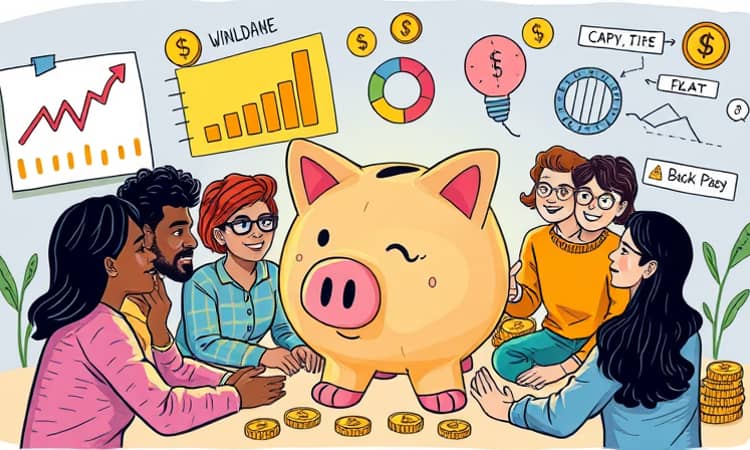
When faced with rising costs and mounting debt, it’s easy to feel lost. Yet countless Americans are transforming their financial lives by mastering a few core principles. This guide weaves together data-driven insights from 2026 and timeless strategies, offering a clear path from basic budgeting to advanced wealth-building. Whether you’re starting with $0 in savings or navigating $60K in annual spending, you’ll find actionable steps to align your money with your dreams.
Imagine a community where neighbors share their budgets, celebrate small victories, and lend a hand when emergencies strike. Financial finesse isn’t reserved for the affluent; it’s cultivated through consistent decisions, persistence, and a willingness to learn. In this article, you’ll discover how to lay a strong foundation, fortify your safety net, and accelerate growth, even amid the unique challenges of 2026.
Budgeting and Expense Tracking
A well-designed budget is the cornerstone of financial success. By dividing your outflows into fixed and variable expenses, you gain visibility and control. Start by categorizing your obligations such as rent, utilities, and loan payments as fixed expenses, and items like groceries, dining, and entertainment as variable expenses. Track both for at least one month to uncover hidden overspending and adjust accordingly. Maintaining a clear record helps you anticipate needs and allocate resources effectively.
American households in 2025 faced significant spending pressures, with inflation driving everyday costs 20–35% higher than pre-pandemic levels. Understanding your spending patterns against national averages empowers smarter decisions.
Consider how age influences typical budgets:
By comparing your budget to these benchmarks, you can set realistic targets and reduce unnecessary costs.
Building an Emergency Fund
Life’s uncertainties never pause for convenience. Medical bills, repairs, or unexpected job loss can strike at any time. Financial experts recommend holding three to six months of living expenses in a dedicated reserve. Begin with a modest target—an initial $1,000 fund provides immediate relief while you build toward larger goals. To accelerate progress, automate your savings ahead by setting up scheduled transfers that you can’t skip.
Establishing a robust emergency cushion prevents destructive high-interest borrowing when crises occur and empowers you to navigate turbulence with confidence.
Setting SMART Financial Goals
Without clearly defined objectives, resources drift aimlessly. SMART goals—Specific, Measurable, Achievable, Relevant, Time-bound—provide structure and accountability. Categorize your ambitions across time horizons: short-term, medium-term, and long-term. Break each goal into monthly targets to maintain momentum and track progress visually.
- Short-term: Pay off a $3,000 credit card balance within one year.
- Medium-term: Save $10,000 for a down payment over two years (about $417 per month).
- Long-term: Build a retirement portfolio targeting $1 million in 20–30 years.
Credit Building and Management
Your credit score unlocks lower borrowing costs and greater flexibility. Strive to pay bills on time every month and keep utilization under thirty percent. Regularly review free annual reports from all three bureaus to catch errors and prevent surprises.
A utilization ratio under 30% translates into smoother loan approvals and better interest rates. If your limit is $10,000, aim to keep balances below $3,000. Simple habits now compound into significant savings later.
Debt Reduction Strategies
Eliminating high-interest debt is crucial. Begin by listing all obligations with balances, rates, and minimum payments. Choose the approach that best matches your psychology and finances: snowball for quick wins or avalanche to minimize interest costs.
- Gain momentum with debt snowball: Target the smallest balance first, celebrate each payoff, then roll its payment into the next debt.
- Highest interest rates first: Focus on debts with the steepest rates, reducing total interest paid over time.
Pay Yourself First: Automate Your Savings
Building wealth begins by prioritizing yourself. Allocate a fixed percentage of each paycheck to savings or investments before covering other expenses. Treat this transfer like a mandatory bill. Over time, this habit compounds, creating a growing reserve with minimal conscious effort.
Even allocations as low as 5%–10% of income can yield substantial portfolios years down the line. Set it and forget it—your future self will thank you.
Saving, Investing, and Retirement Planning
Savings without focus can stagnate, while guided investments accelerate growth. Align contributions with specific goals, diversify across asset classes, and rebalance periodically. Maximize employer matches on retirement accounts and explore tax-advantaged options such as IRAs or 401(k)s.
For retirees, Social Security remains a key income source. Couples average $3,200 per month, and over half receive at least 50% of their income from benefits. Recognize potential gaps and plan additional savings or part-time income to cover long-term needs.
2026 Trends and Consumer Shifts
The current landscape reveals a split reality: 32% of Americans expect their finances to worsen this year, citing inflation as the culprit, while 76% remain confident improvements lie ahead. This dynamic fuels novel behaviors like loud budgeting for social accountability, where sharing spending goals boosts motivation and peer support.
Households are under pressure, with average debt at $63,300 and credit card rates soaring above 20%. Yet those who follow foundational principles report steady progress, leveraging compounding growth and fixed-rate tools such as mortgages to hedge inflation.
Crafting Your Financial Finesse Path
Mastering money management is less about luck and more about consistent action. Start with basic habits—budget creation, emergency fund building, and SMART goal setting—and layer on credit maintenance, strategic debt repayment, and systematic investing. Over years, these choices intersect to create generational wealth and resilience.
Embrace the journey knowing that long-term compounding even small amounts transforms meager beginnings into substantial achievements. Your polishing process isn’t a one-time fix; it’s a lifelong commitment to growth, adaptation, and community support.
- Inventory all income streams and expenses.
- Create a prioritized budget based on your goals.
- Automate savings and debt payments.
- Review credit reports and address errors.
- Invest consistently, adjusting allocations as needed.
Your neighbors, colleagues, and future self will benefit from each step you take today. Financial finesse is within reach: start now, stay persistent, and watch your efforts compound.