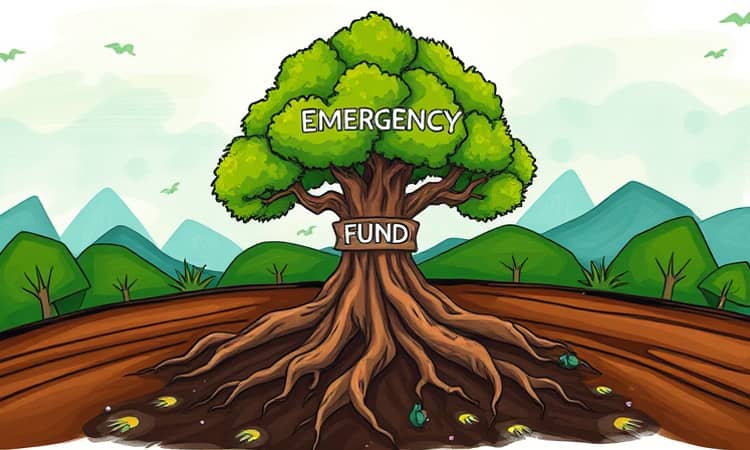
In the unpredictable world of business, a solid financial safety net can be the difference between thriving and merely surviving.
Emergency funds serve as this crucial buffer, enabling companies to navigate disruptions with confidence.
By providing stability, they lay the groundwork for long-term growth and resilience, ensuring businesses can weather storms without falling into debt.
This foundational tool is not just about survival; it's about building a future where opportunities can be seized with agility.
Imagine a scenario where your business faces a sudden equipment failure or a drop in sales.
Without a reserve, panic sets in, and costly decisions may follow, jeopardizing all your hard work.
An emergency fund transforms this vulnerability into strength, allowing you to focus on strategic moves rather than short-term fixes.
It's the bedrock upon which sustainable expansion is built, fostering a culture of preparedness and foresight.
Understanding Business Emergency Funds
A business emergency fund is money set aside in a dedicated account to handle unforeseen events, keeping operations running smoothly.
It covers expenses like suppliers, staff wages, rent, and utilities when income drops unexpectedly.
This fund acts as a buffer for cash flow unpredictability, preventing threats to stability during sales dips or late client payments.
Beyond crises, it supports growth initiatives, such as buying discounted stock or scaling during competitors' struggles.
- It ensures business continuity by maintaining daily operations.
- It helps avoid high-cost debt that can cripple financial health.
- It enables opportunity capture for proactive expansion.
The Crucial Benefits for Sustainable Growth
Emergency funds build resilience, reduce financial stress, and enable strategic decisions for long-term viability.
They keep doors open, pay staff, and maintain reputation during disruptions like equipment failure or economic shocks.
By providing faster access than loans, they preserve capital for investments, avoiding the pitfalls of high interest rates.
This financial security frees resources for growth planning, ensuring you can focus on the big picture without short-term cash worries.
- Business continuity ensures you can weather any storm.
- Cash flow management bridges gaps from late payments.
- Attracts stakeholders by signaling preparedness and credibility.
- Financial security protects working capital and earns interest.
Determining the Right Amount for Your Business
There is no universal figure for an emergency fund; it must be tailored to your business's unique needs.
Factors like business size, industry risk, income stability, and fixed costs all play a role in this calculation.
For most businesses, covering 3-6 months of operating expenses is a solid starting point, as recommended by financial guidelines.
In volatile or seasonal industries, extending this to 6-12 months provides extra cushion against economic uncertainty.
- High-risk industries may need more coverage to ensure safety.
- Review the amount periodically as your business grows and evolves.
- Use benchmarks like 10% of annual revenue for simplicity.
Building Your Emergency Fund Step by Step
Creating an emergency fund requires practical, disciplined steps for gradual accumulation.
Start by calculating your needs, tallying monthly fixed and variable expenses to simulate no-income scenarios.
Then, set aside a fixed percentage of monthly revenue or profits consistently, treating it as a non-negotiable expense.
Automate contributions to build a habit, and reallocate funds by trimming non-essentials from your budget.
- Calculate needs based on realistic expense projections.
- Start small to avoid overwhelming your cash flow.
- Automate savings to ensure consistency and discipline.
- Rebalance regularly to adjust for growth and changes.
This disciplined approach now enables future flexibility, allowing you to respond swiftly to opportunities.
Where to Keep Your Emergency Fund
Choosing the right storage for your emergency fund is critical for accessibility, safety, and returns.
High-interest business savings accounts offer quick access while growing your money through interest earnings.
Term deposits can provide higher yields for portions of the fund that don't require immediate liquidity.
A split strategy balances liquidity and returns, ensuring you have cash on hand when needed most.
- Keep the fund separate from operating accounts to avoid temptation.
- Prioritize safety and easy access in your choice of storage.
- Consider earning interest to make your money work for you.
Real-World Scenarios: From Survival to Opportunity
Emergency funds cover a wide range of specific scenarios, demonstrating their role as a growth foundation.
From operational issues like equipment breakdowns to financial gaps from late payments, this fund keeps things running.
External shocks such as natural disasters or pandemics highlight the importance of being prepared for the unexpected.
Growth enablers, like opportunistic buys or stock replenishment, show how it fuels expansion beyond mere survival.
- Operational scenarios include supplier price hikes and repairs.
- Financial scenarios cover cash gaps and tax payments.
- Human scenarios involve medical emergencies for key staff.
- Growth scenarios allow for seizing market opportunities quickly.
This versatile resource adapts to both crises and chances, making it indispensable.
The Perils of Operating Without a Safety Net
Operating without an emergency fund exposes businesses to significant risks that can derail growth.
Instability from short-term issues can escalate, threatening closure and damaging your hard-earned reputation.
Debt traps from expensive credit or loans during crises can sap financial resources and limit future options.
Lost opportunities mean you can't act on growth chances, leaving you behind competitors who are prepared.
- Penalties and reputation damage from missed payroll or taxes.
- Increased stress and poor decision-making under pressure.
- Long-term financial strain that hampers recovery and innovation.
As the saying goes, fail to prepare, and you're preparing to fail, emphasizing the critical need for foresight.
Broader Insights and Global Perspectives
The concept of emergency funds extends beyond business, with parallels in personal finance for stability.
Globally, financial institutions from Australia to the United States stress similar strategies for resilience.
In 2025, the emphasis on savings accounts continues, highlighting ongoing relevance in uncertain economic climates.
From startups to established firms, this tool is vital at every stage, fostering a culture of preparedness and growth.
Embrace this foundational practice to build a business that not only survives but thrives, turning challenges into stepping stones for sustainable success.