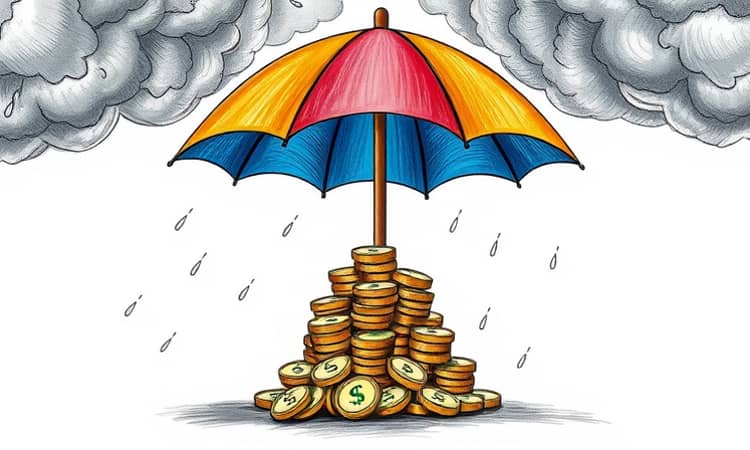
Building an emergency fund is one of the most powerful steps you can take toward financial resilience. By setting aside money for unexpected events, you create a financial safety net that shields you from high-interest debt and undue stress. This guide will walk you through clear definitions, practical strategies, and common pitfalls to avoid as you cultivate your own rainy-day reserve.
What an Emergency Fund Is (and Is Not)
An emergency fund is a stash of cash held in a separate easily accessible account for covering large unexpected expenses or income loss. It allows you to handle crises without resorting to credit cards, payday loans, or tapping into retirement savings.
- Unforeseen medical expenses and treatments
- Major home appliance repair or replacement
- Significant car repairs
- Job loss, unemployment, or reduced work hours
- Emergency travel for family crises
It is not intended for planned or non-urgent purchases such as vacations, routine home upgrades, gifts, or discretionary shopping. Distinguish it from sinking funds for predictable costs and long-term investment vehicles like retirement accounts.
Why an Emergency Fund Matters
Many financial experts agree that having a robust emergency fund delivers multiple benefits beyond mere liquidity. It helps you:
- Avoid draining retirement accounts early, thus preventing taxes and penalties.
- Reduce reliance on credit cards, payday loans, or borrowing from friends and family.
- Maintain stability during sudden income shocks such as layoffs.
- Enjoy psychological comfort and reduced financial stress to make better choices under pressure.
- Gain flexibility in life decisions, from caregiving to relocating for work without immediate financial collapse.
While the benefits are clear, also note the opportunity cost and inflation risk of holding large cash balances. Too much in low-yield accounts may lose purchasing power over time, so balance safety with smart earning potential.
How Much Should You Save?
The general rule of thumb is to accumulate three to six months of expenses in your emergency fund. This guideline reflects how long it typically takes to secure a new role after job loss in many markets.
- 3 months of expenses: suitable if you’re single, no dependents, have a very stable job, and low fixed costs.
- 6 months of expenses: ideal for families, homeowners, those with high fixed costs, or less secure employment.
- 9+ months of expenses: recommended for freelancers, gig workers, or anyone in a volatile industry.
If saving for six months feels daunting, start small: aim for $500–$1,000 to cover minor emergencies, then scale up toward your full target. Some advisors also recommend setting aside at least half a month’s expenses to handle a single large bill.
The Emergency Savings Gap: Reality Check
Despite clear guidelines, many households remain underprepared. According to the 2025 Bankrate Emergency Savings Report:
Only 46% of people have saved enough to cover three months of expenses, and just 27% have six months or more. Among those who feel comfortable with their savings, 80% can cover at least three months. Yet 85% of all adults say they’d need three months to feel secure, indicating a stark gap between perception and preparedness.
Where to Keep Your Emergency Fund
When choosing an account for your safety net, prioritize:
- Safe principal-protected liquid low risk vehicles.
- Easy and quick access without penalties.
- Modest interest to combat inflation.
Top recommendations include high-yield savings accounts with FDIC or NCUA insurance, money market deposit accounts, and Treasury money market funds. You may allocate a small portion to short-term CDs for slightly higher rates, but avoid locking up your entire fund or using volatile investments like stocks.
Calculating Your Target and Making a Plan
Follow this simple framework to define your personal goal and build momentum:
- List your essential monthly expenses: housing, utilities, groceries, transportation, insurance, and minimum debt payments.
- Multiply that total by your chosen coverage period (e.g., 3, 6, or 9 months).
- Set micro-goals: save a fixed percentage of monthly income (e.g., 5–10%) or a dollar amount each paycheck.
- Automate transfers to your designated emergency account to ensure consistency.
- Celebrate milestones (every $500 or every month covered) to stay motivated.
By breaking a large goal into manageable steps and using automation, you reduce decision fatigue and ensure steady progress.
Using and Rebuilding Your Fund
An emergency fund is only effective if you know when and how to use it responsibly. Only tap into this money for genuine emergencies: unexpected medical bills, major home or car repairs, or income interruptions.
After any withdrawal, prioritize rebuilding your fund. Review your budget to restore the balance quickly—aim to refill within three to six months of any use. Consider temporarily increasing savings contributions or redirecting bonuses and tax refunds toward your safety net.
Common Pitfalls and FAQs
Even with the best intentions, people often stumble. Be aware of these traps:
- Using the fund for non-emergencies like minor discretionary purchases.
- Keeping all funds in a zero-interest checking account.
- Neglecting to rebuild after a withdrawal.
- Overestimating your coverage period without accounting for inflation.
- Mixing emergency savings with other financial goals, causing confusion.
Frequently asked questions often include:
Q: Can I use credit cards instead of an emergency fund?
A: Relying on high-interest credit can trap you in debt; cash reserves are far safer.
Q: Should I keep my fund under my mattress?
A: Physical cash poses security risks. Use insured bank or credit union accounts for convenience and protection.
By understanding what an emergency fund is (and isn’t), recognizing its benefits, and following a step-by-step plan, you’ll create a robust safety net that offers true peace of mind. Start today with small steps, automate your savings, and watch your fund grow—one deposit at a time.