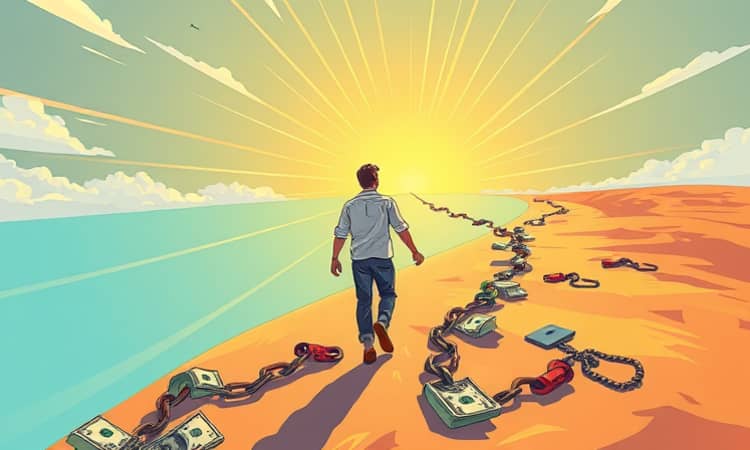
Embarking on a journey toward financial freedom can feel overwhelming when captive to multiple debts. Yet, with strategic reorganization of liabilities, the road ahead becomes clearer. In today’s environment of rising rates and mounting balances, debt consolidation offers a beacon of hope: one simplified obligation that can ease burdens and accelerate progress.
Understanding the Foundation
At its core, debt consolidation is the process of combining multiple debts into one new loan or arrangement. This is not a write-off, but rather a methodical restructuring of obligations, designed to replace varied interest rates and due dates with a single monthly payment. By rolling credit cards, personal loans, and other balances into one instrument, borrowers gain clarity, predictability, and often, a reduced cost of borrowing.
This approach serves three primary goals: to simplify repayment, reduce interest costs, and accelerate the path to becoming debt-free. When executed correctly, consolidation can transform a cluttered financial picture into a streamlined plan with defined milestones and a clear end date.
The Modern Landscape of Debt
In 2024–2025, Americans face a particularly challenging backdrop. Average credit card APRs hover near or above 20%, while personal loans average around 12.24%. This spread creates an opportunity: by transferring or refinancing high-rate balances into lower-cost products, borrowers can preserve precious dollars otherwise lost to interest.
Surveys show that 42% of U.S. adults list reducing debt as their No. 1 financial priority for 2025, surpassing saving for major purchases or retirement. Notably, even high-income earners are leveraging consolidation strategies to smooth out cash flow and protect long-term goals. In a persistently high interest rate environment, acting sooner can yield greater savings and peace of mind.
Main Forms of Debt Consolidation
Debt consolidation can take several shapes, each with distinct advantages and trade-offs. Choosing the right mechanism begins with understanding the features and risks of each option.
- Unsecured debt consolidation loan: A fixed-rate personal loan used to pay off multiple unsecured balances. Predictable payments and often lower APRs suit those with good credit.
- Balance transfer credit card: Offers 0% or low introductory APR for 12–21 months. If paid off within the promotional window, interest on transferred debt is eliminated, but a 3–5% transfer fee applies.
- Home-equity based consolidation: HELOCs or home-equity loans leverage property value to secure lower rates. This can dramatically reduce costs but converts unsecured debt into secured debt on the home.
- Debt management plan: Nonprofit agencies negotiate rates and fees with creditors on your behalf. You then make one payment to the agency, which distributes funds to each creditor.
Strategic Benefits of Consolidation
When properly executed, consolidation unlocks multiple strategic upsides, both financial and psychological. The primary allure is the potential for lower interest rate and better terms, translating into significant interest savings over time. For example, converting $9,000 of 25% APR debt into a 17% loan can cut interest by over $800 and reduce monthly payments.
- Simplified finances: One payment, one due date, less stress and fewer opportunities for missed deadlines.
- Improved cash flow and credit: A lower monthly obligation can free up funds for essentials or savings, while better payment patterns can boost credit scores.
- Faster debt payoff: Reduced interest accelerates principal reduction, especially if the borrower maintains previous payment levels.
- Psychological advantage: A defined schedule and clear endpoint create a sense of control and clarity that revolving debt rarely provides.
Potential Risks and Pitfalls
Consolidation is not a panacea. Awareness of potential drawbacks ensures realistic expectations and sound decisions.
- Costs and fees: Origination or balance transfer fees can offset savings. Extended terms may increase total interest paid.
- Debt remains intact: Consolidation restructures balances; it does not erase them. Without addressing underlying spending patterns, new balances may accumulate.
- Credit impacts: A hard inquiry, new account opening, or closing old cards can affect your credit profile. Late payments on the new loan can cause significant harm.
Charting Your Path Forward
To harness consolidation as a strategic tool, begin with a comprehensive financial snapshot. List every debt, interest rate, balance, and due date. Calculate your current monthly obligation and total projected interest.
Next, research consolidation options suited to your profile. Compare APRs, fees, terms, and qualification requirements. Use online calculators to model potential savings, and factor in any setup or ongoing service charges.
Once you select a path, commit to a disciplined repayment strategy. Automate payments to avoid late fees, and resist the temptation to re-accumulate high-interest debt. Maintain a budget that allocates freed-up cash toward emergency savings or retirement contributions, ensuring consolidation supports lasting financial health.
Embracing a Freedom Mindset
Debt consolidation can be a powerful lever for regaining control over your finances. By replacing a web of payments with one clear commitment, you invite both mental relief and strategic advantage. With thoughtful planning, disciplined execution, and a focus on long-term goals, consolidation can illuminate a path from burden to empowerment.
Today’s high-rate, high-debt era calls for proactive, informed decisions. Debt consolidation offers not just a reprieve, but a roadmap to financial clarity and peace of mind. Start your journey now, and step boldly into a future unchained by past obligations.