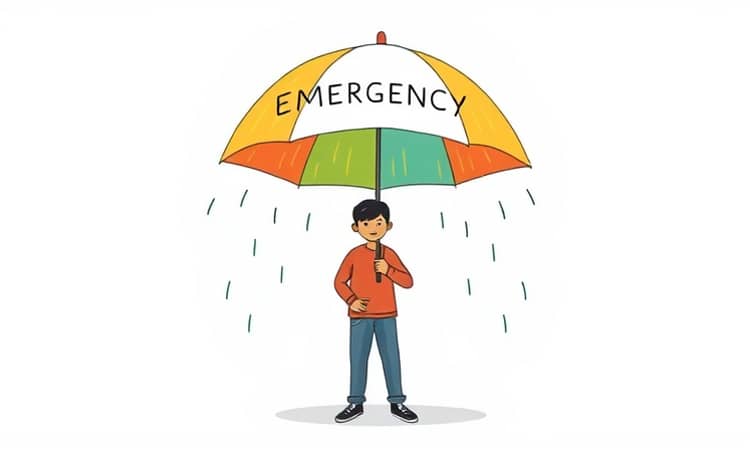
Life's unpredictability can shake even the most stable finances, but with an emergency fund, you create a buffer against the storm. This dedicated savings account is designed for those unexpected moments—like a job loss or a medical emergency—that demand immediate cash.
An emergency fund is your financial lifeline, offering a sense of control when chaos strikes. It transforms fear into resilience, allowing you to face challenges head-on without falling into debt.
By prioritizing this fund, you're not just saving money; you're investing in your peace of mind and future flexibility. In today's fast-paced world, having this safety net can mean the difference between struggle and stability.
This guide will walk you through everything from why an emergency fund matters to practical steps for building and maintaining it, ensuring you're prepared for whatever comes your way.
The Transformative Benefits of an Emergency Fund
An emergency fund does more than just cover bills; it reshapes your entire financial mindset. By providing a cushion, it allows you to navigate crises with confidence instead of panic.
Here are the key advantages that make this fund indispensable for anyone seeking financial security:
- Financial security and peace of mind: Reduces anxiety during emergencies, letting you focus on recovery rather than money worries.
- Avoids debt cycles: Prevents reliance on high-interest credit cards or loans that can trap you in long-term financial strain.
- Decision-making flexibility: Enables you to make choices, like taking a better job or handling family issues, without immediate financial stress.
- Handles specific emergencies: Covers costs for unemployment, medical bills, home repairs, car troubles, and other sudden expenses.
- Stress reduction: Alleviates the mental burden of unexpected costs, supporting overall well-being and survival needs.
- Future building: Provides a soft landing during tough times, allowing you to recuperate and pursue long-term goals without disruption.
These benefits highlight why experts consistently recommend an emergency fund as a cornerstone of personal finance. It's not just about saving; it's about creating a foundation for a resilient life.
How Much Should You Save? A Personalized Guide
Determining the right amount for your emergency fund depends on your unique circumstances, but financial advisors offer clear guidelines to help you start. The standard target is 3-6 months of essential living expenses, covering basics like groceries, housing, utilities, and debt payments.
This range ensures you have enough to weather common disruptions without over-saving and missing investment opportunities. To tailor it to your life, consider factors such as job stability, dependents, and income sources.
Use the table below to find a recommended amount based on your situation, and remember to calculate based on current expenses, not income, for accuracy.
For example, if your monthly essentials total $2,000, a 3-month fund would be $6,000. Start small with a $500 goal if you're new to saving, and gradually increase it as you build confidence and resources.
The Current Landscape: Statistics on Emergency Savings
Despite the clear importance, many people struggle to build an emergency fund, as shown by recent data. Understanding these statistics can motivate you to take action and avoid common pitfalls.
According to reports, only 46% of Americans have enough savings to cover 3 months of expenses, highlighting a widespread gap in financial preparedness. This lack of readiness can lead to debt and stress during crises.
Key findings include:
- Nearly 24% of adults have no emergency savings at all, putting them at high risk for financial shocks.
- 30% have some savings but less than 3 months' worth, indicating partial but insufficient protection.
- 19% cover 3-5 months, while 27% have 6 months or more, showing progress among those who prioritize saving.
- For emergencies over $1,000, 33% resort to debt, underscoring the urgent need for better savings habits.
These numbers reveal that building an emergency fund is a challenge for many, but with the right strategies, it's an achievable goal that can transform your financial health.
Practical Steps to Build Your Emergency Fund
Building an emergency fund might seem daunting, but breaking it down into manageable steps makes it easy and rewarding. The key is to start small and stay consistent, leveraging habits that fit into your daily life.
Here’s a step-by-step approach to get you started on this empowering journey:
- Start small: Aim for an initial goal of $500 or $1,000 to cover minor surprises like repairs or bills. Even saving $10 a week adds up to over $500 a year.
- Automate savings: Set up monthly transfers from your checking to a high-yield savings account. For instance, $50 a month builds to $600 annually without effort.
- Use windfalls: Deposit unexpected money, such as tax refunds, bonuses, or gifts, directly into your fund to boost it quickly.
- Track expenses: Calculate your monthly essentials first to set realistic savings targets, ensuring your goals align with your actual needs.
- Stay motivated: Celebrate milestones, like reaching $1,000 or halfway to your goal, to keep yourself engaged and positive.
- Choose the right account: Use a high-yield savings account that's FDIC or NCUA insured, earns interest, and offers quick access for true emergencies.
By following these steps, you'll gradually build a fund that provides security and freedom, turning saving from a chore into a source of pride.
Maintaining and Replenishing: Keeping Your Safety Net Strong
Once you've built your emergency fund, the work isn't over—maintaining it is crucial for long-term financial health. Life changes, and so should your savings, to ensure they remain effective and reliable.
After using the fund for a genuine emergency, prioritize replenishing it as if it were a monthly bill. This habit prevents depletion and keeps your safety net intact for future needs.
To maintain your fund effectively, consider these tips:
- Avoid non-emergencies: Reserve the fund strictly for true crises, like medical bills or job loss, to prevent unnecessary withdrawals.
- Periodic review: Adjust your savings target for life changes, such as job stability shifts, family size increases, or aging, to keep it relevant.
- Rebuild consistently: If you dip into the fund, make a plan to restore it gradually, using automation or extra income to speed up the process.
Common reasons for withdrawals include medical costs or car repairs, so plan for these realistic scenarios. By staying vigilant, you ensure your fund remains a dependable resource through all of life's ups and downs.
Potential Drawbacks and How to Avoid Them
While an emergency fund is essential, it's not without considerations. Being aware of potential drawbacks helps you balance savings with other financial goals, optimizing your overall strategy.
One key issue is the opportunity cost of holding excess cash, which might miss out on investment growth. For retirees, for example, keeping more than 24 months of expenses could hinder portfolio returns.
Other considerations include:
- Not always the first priority: In some cases, like high-interest debt, it might be wise to address that first, but still maintain a small buffer for emergencies.
- Challenges for some: Building a fund can seem overwhelming, especially with limited income, but starting small and using tools like calculators can make it manageable.
- Balancing with investments: Ensure your emergency fund doesn't exceed recommended amounts, freeing up cash for diversified investments that support long-term wealth.
By understanding these nuances, you can tailor your approach to fit your lifestyle, avoiding pitfalls while maximizing the benefits of your financial safety net.
Conclusion: Empowering Your Financial Future
An emergency fund is more than just money in the bank; it's a tool for empowerment that grants you freedom and resilience in the face of uncertainty. By building and maintaining this fund, you take control of your financial destiny, reducing stress and opening doors to better opportunities.
Remember, the journey starts with a single step—whether it's saving $10 a week or automating a small transfer. Over time, these efforts compound into a robust safety net that protects you and your loved ones.
Embrace the process as an investment in your well-being, and let it inspire you to pursue a life of financial confidence and peace. With dedication and smart strategies, you can turn potential crises into manageable moments, securing a brighter, more stable future for yourself.